What Is the Healthiest Pasta Alternative? | Low-Carb Options
What Is the Healthiest Pasta Alternative? | Low-Carb Options
Pasta is a beloved staple in many diets, cherished for its versatility and ability to serve as a canvas for a wide array of flavors. However, for those seeking to reduce their carbohydrate intake—whether to follow a specific dietary regimen, manage blood sugar levels, or simply adopt a healthier lifestyle—there are plenty of healthy alternatives to traditional pasta available. These substitutes not only help in cutting down the carbs but also bring additional nutritional benefits to your meals. Let’s delve into some of the healthiest pasta substitutes and tackle common questions about these low-carb options.
Table of Contents
What Are Some Low-Carb Pasta Alternatives?
There is no shortage of creative low-carb pasta alternatives that can satisfy your pasta cravings without the excess carbohydrates. Here are some popular options:
- Zucchini Noodles (Zoodles): Made by spiralizing fresh zucchini, these noodles are a fantastic replacement for traditional pasta. They are light, refreshing, and can be prepared quickly. Whether you’re tossing them in a pesto sauce or adding them to a stir-fry, zoodles are incredibly versatile.
- Spaghetti Squash: When cooked, the flesh of this squash naturally separates into spaghetti-like strands. It’s an excellent choice for those who love the texture of spaghetti but want a lower-carb option. You can serve it with marinara sauce or a creamy Alfredo for a comforting meal.
- Shirataki Noodles: These noodles are made from the konjac yam, a plant native to Asia, and are often referred to as “miracle noodles” due to their extremely low carbohydrate content. They have a gelatinous texture and are often used in Asian cuisine. To improve their texture, it’s crucial to rinse them thoroughly and cook them according to package instructions.
- Cabbage Noodles: By slicing cabbage into noodle-like strips, you can create a satisfying pasta alternative that’s rich in nutrients. Cabbage noodles are perfect for hearty dishes like cabbage rolls or as a base for an Asian-inspired noodle bowl.
These alternatives not only cut down on carbs but also provide a boost of fiber and essential vitamins, enhancing the nutritional profile of your meals. For more insight into low-carb diets and meal planning, check out our guide on low-carb meal planning.
How Do Zucchini Noodles Compare Nutritionally to Regular Pasta?
Zucchini noodles, affectionately known as zoodles, offer a delicious, low-carb alternative to traditional pasta. Here’s a comparison of their nutritional profiles:
- Calories: Zoodles are exceptionally low in calories, offering about 20 calories per cup, compared to approximately 220 calories in a cup of cooked spaghetti. This makes them an ideal choice for those looking to lose weight or maintain a healthy weight.
- Carbohydrates: With around 4 grams of carbs per cup, zoodles are drastically lower in carbohydrates than regular pasta, which contains about 45 grams per cup. This makes them suitable for low-carb or ketogenic diets.
- Nutrients: Zucchini is packed with vitamin C, potassium, and antioxidants, providing numerous health benefits beyond just being a carb-conscious choice. These nutrients support immune function, heart health, and may even help in reducing inflammation.
Zoodles are easy to prepare with a spiralizer, and they can be enjoyed raw in salads or lightly cooked in a variety of dishes. They are an excellent way to increase vegetable intake while still enjoying a pasta-like experience. They can be paired with a wide range of sauces, from a simple olive oil and garlic mix to a rich tomato and basil sauce, providing both flavor and nutrition.
What Are Shirataki Noodles and Are They Healthy?
Shirataki noodles are another excellent low-carb pasta alternative, known for their unique properties and health benefits. Made from the fiber of the konjac yam, they are:
- Low in Calories and Carbs: Shirataki noodles are almost calorie-free and contain less than 1 gram of carbs per serving, making them a perfect option for those on low-carb, ketogenic, or calorie-restricted diets.
- High in Fiber: These noodles are rich in glucomannan, a type of soluble fiber that can aid digestion and promote feelings of fullness. This fiber is also beneficial for maintaining healthy blood sugar levels and may contribute to weight management by reducing overall calorie intake.
Despite their bland taste, shirataki noodles excel in absorbing the flavors of sauces and seasonings, making them a versatile ingredient in various dishes. They are ideal for those following keto or gluten-free diets. When preparing shirataki noodles, it’s important to rinse them well and cook them according to package instructions to improve their texture and remove any residual odor from the konjac yam. For more information on keto-friendly foods and dietary tips, explore our keto diet essentials guide.
How Do You Cook Spaghetti Squash?
Cooking spaghetti squash is straightforward and results in a delightful, low-carb pasta alternative that can be enjoyed in numerous ways. Follow these steps for perfect spaghetti squash every time:
- Preheat Oven: Start by setting your oven to 400°F (200°C), ensuring it’s evenly heated before you place the squash inside.
- Prepare Squash: Carefully cut the squash in half lengthwise using a sharp knife. Scoop out the seeds and stringy bits in the center, much like you would with a pumpkin.
- Bake: Place the squash halves cut-side down on a baking sheet lined with parchment paper. Bake for 40-50 minutes, or until the flesh is tender and can be easily pierced with a fork.
- Scrape: Once cooked, use a fork to gently scrape the flesh of the squash, which will naturally separate into spaghetti-like strands. Be cautious while handling the hot squash, using a kitchen towel or oven mitts to protect your hands.
Spaghetti squash is incredibly versatile and pairs well with a variety of sauces and toppings. Whether you’re in the mood for a classic tomato sauce, a creamy Alfredo, or a simple olive oil and herb dressing, spaghetti squash can accommodate your culinary desires. It’s also a valuable source of vitamins A and C, as well as dietary fiber, making it a nutritious addition to any meal.
Are There Any Gluten-Free Pasta Alternatives?
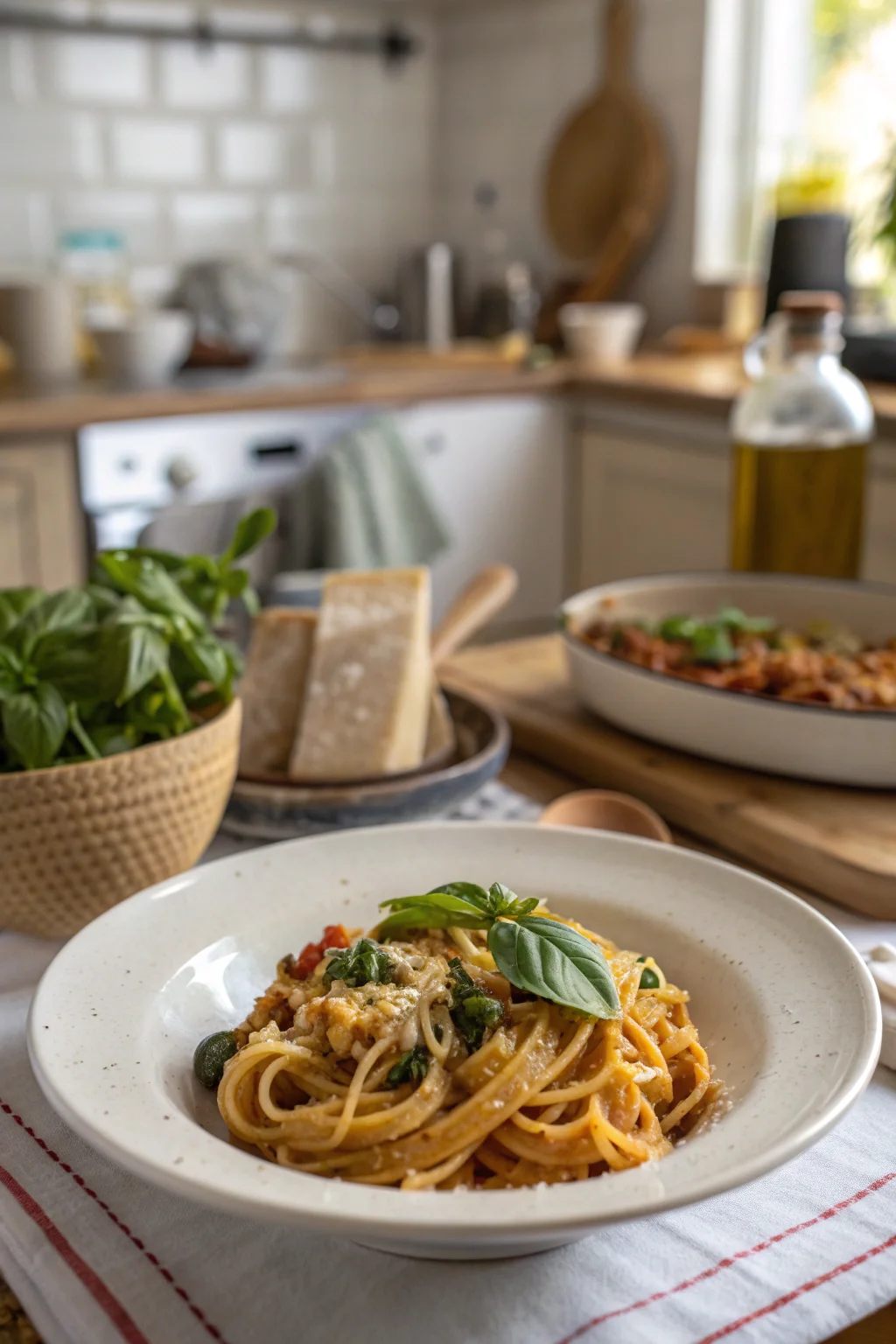
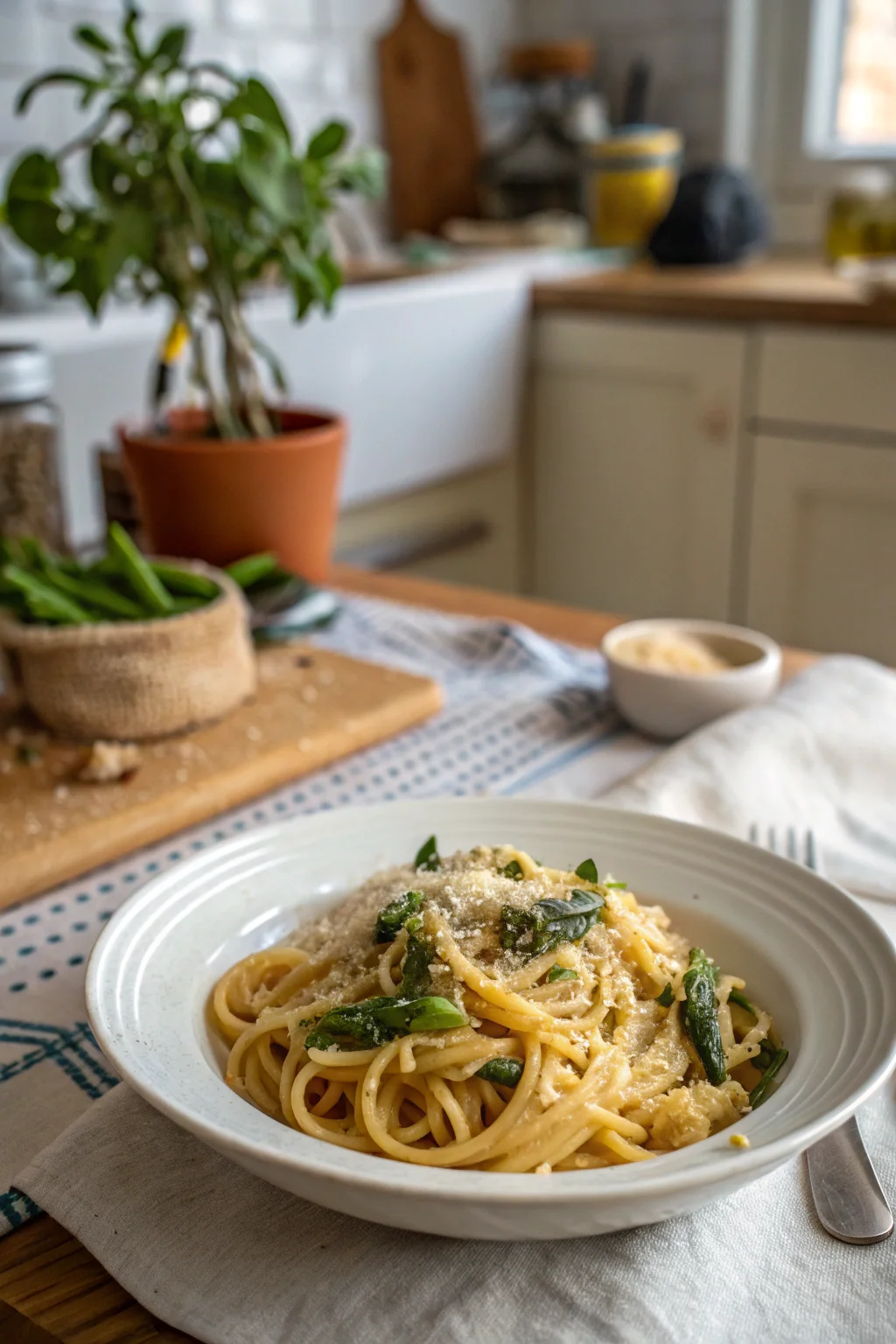
Certainly, many low-carb pasta alternatives are naturally gluten-free, making them ideal for individuals with gluten sensitivities or celiac disease. Here are some options to consider:
- Zucchini Noodles
- Shirataki Noodles
- Spaghetti Squash
- Cabbage Noodles
These alternatives not only provide a safe choice for gluten-sensitive individuals but also offer a range of textures and flavors to explore in your cooking. Additionally, you can find gluten-free pasta made from almond flour or chickpea flour, which can be good low-carb choices. However, it’s worth noting that these may not be as low in carbs as vegetable-based options, but they do offer the benefits of increased protein and fiber. For more guidance on managing gluten-free diets and related resources, visit the Celiac Disease Foundation.
What Are the Benefits of Cabbage Noodles?
Cabbage noodles are a simple and nutritious pasta alternative, offering several health benefits that make them a valuable addition to your diet:
- Low in Carbs: With only about 2 grams of carbs per cup, cabbage is one of the lowest-carb vegetable options available, making it an excellent choice for those adhering to strict low-carb diets.
- Rich in Nutrients: Cabbage is packed with essential vitamins and minerals, including vitamin K, vitamin C, and dietary fiber. These nutrients support various bodily functions, such as promoting bone health, boosting immunity, and aiding in digestion.
- Easy to Prepare: Creating cabbage noodles is a straightforward process. Simply slice cabbage into thin strips, reminiscent of traditional pasta, and sauté or steam until tender. This easy preparation method makes cabbage noodles a convenient choice for quick meals.
Cabbage noodles work well in dishes like stir-fries, where they can absorb the flavors of the other ingredients and sauces. They are also a fantastic way to increase your vegetable intake, contributing to a balanced and nutritious diet.
Can Legume-Based Pastas Be Considered Low-Carb?
Legume-based pastas, such as those made from chickpeas or lentils, have gained popularity for their higher protein and fiber content compared to traditional pasta. However, they are not necessarily low in carbs. Consider the following:
- Chickpea Pasta: Typically contains about 32 grams of carbs per serving, which is lower than regular pasta but not as low as vegetable-based alternatives. The increased protein and fiber content can help promote satiety, making it a suitable choice for those looking to manage their appetite.
- Lentil Pasta: Similar in carb content to chickpea pasta, lentil pasta also offers more fiber and protein than traditional wheat pasta. This can be beneficial for those looking to increase their intake of these nutrients while moderately reducing carbs.
While not the lowest-carb option, legume pastas can be a good choice for individuals seeking to boost their protein and fiber intake while still maintaining a moderate reduction in carbohydrate consumption. They also offer a different texture and flavor profile, which can add variety to your meals.
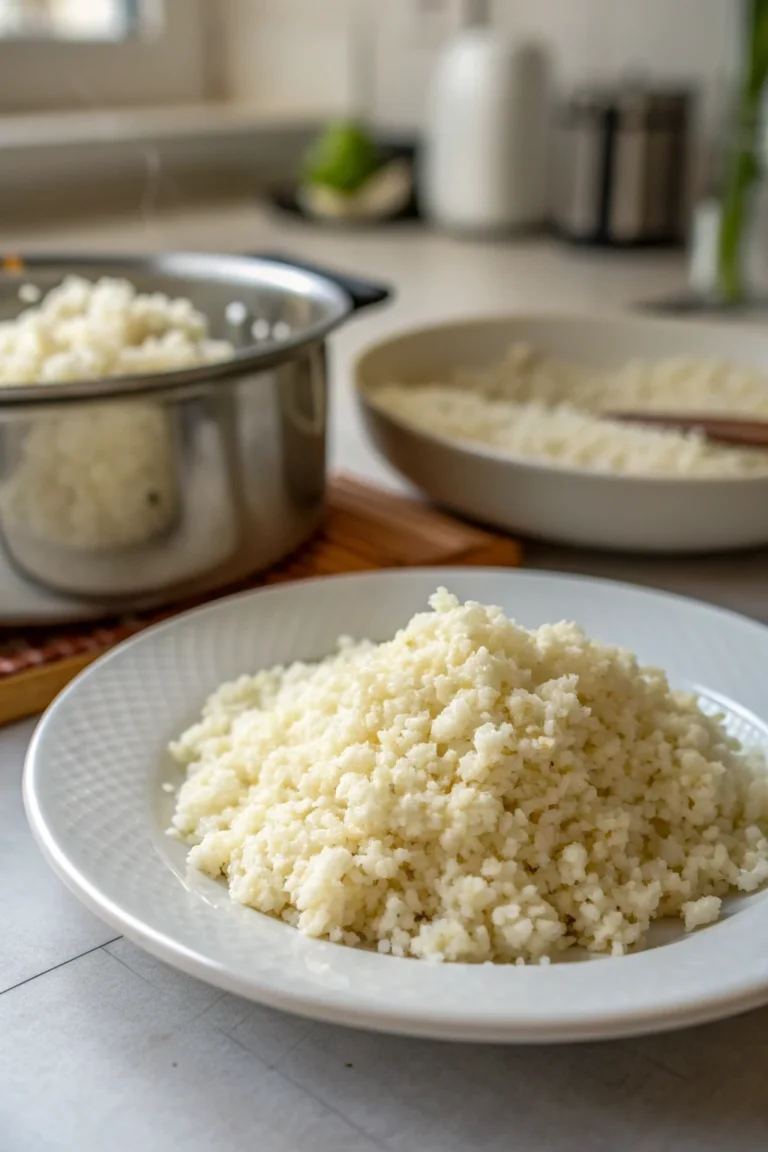
How Do You Make Cauliflower Rice Pasta?
Cauliflower rice is an innovative and versatile low-carb alternative that can serve as a base for pasta-like dishes. Here’s how to make it:
- Prepare Cauliflower: Start by chopping a whole cauliflower head into florets, removing the tough core.
- Process: Place the cauliflower florets in a food processor and pulse until they resemble the size of rice grains. Be careful not to over-process, as you want to avoid turning it into mush.
- Cook: Heat a pan over medium heat and add a little olive oil. Sauté the cauliflower rice with your choice of seasoning—such as garlic, salt, and pepper—until it is tender and cooked through, which should take about 5-7 minutes.
Cauliflower rice is incredibly versatile and can be used in place of traditional pasta in many dishes. It can be combined with a variety of sauces and toppings, offering endless possibilities for low-carb meals. In addition to being low in calories and carbohydrates, cauliflower is rich in vitamin C and antioxidants, making it a nutritious choice for those looking to enhance their meals with more vegetables.
Is Palmini Pasta a Good Low-Carb Option?
Palmini pasta, made from hearts of palm, is an excellent low-carb pasta alternative that offers unique benefits:
- Low in Carbs: With only about 4 grams of carbs per serving, Palmini pasta is a great option for those on low-carb or ketogenic diets.
- Rich in Fiber: The fiber content in Palmini pasta helps support healthy digestion and can contribute to feelings of fullness, aiding in weight management.
- Versatile: Palmini pasta is available in various shapes, such as linguine and lasagna sheets, and can be used in a range of dishes. Its mild flavor allows it to take on the taste of the sauces and ingredients it’s paired with, making it a versatile ingredient in low-carb cooking.
Palmini is a convenient, canned option that requires minimal preparation. Simply rinse and cook according to the package instructions, and it’s ready to be incorporated into your favorite pasta dishes. It’s an excellent choice for quick, low-carb meals when time is of the essence.
What Are the Health Benefits of Using Seaweed Noodles?
Seaweed noodles, also known as kelp noodles, offer a unique and nutritious pasta alternative with several health benefits:
- Low in Calories and Carbs: With approximately 6 calories and 1 gram of carbs per serving, seaweed noodles are an excellent choice for those looking to minimize their calorie and carbohydrate intake.
- Mineral-Rich: Seaweed is a natural source of essential minerals, including iodine, which supports healthy thyroid function, as well as calcium and iron. These nutrients are important for maintaining strong bones and healthy red blood cells.
- Gluten-Free: Seaweed noodles are naturally gluten-free, making them suitable for those with gluten sensitivities or celiac disease.
These noodles have a slightly crunchy texture and can be used in salads, stir-fries, or as a base for noodle soups. They are a nutritious addition to any low-carb diet, providing a unique texture and flavor that can help diversify your meals. For further reading on the benefits of seaweed, check out Healthline’s guide on seaweed.
Are There Any Precautions When Switching to Low-Carb Pasta Alternatives?
Switching to low-carb pasta alternatives is generally safe and beneficial, but here are a few considerations to keep in mind:
- Digestive Changes: Some individuals may experience digestive changes when introducing new foods, especially those high in fiber. To minimize discomfort, it’s advisable to introduce these foods gradually and ensure adequate water intake to aid digestion.
- Nutrient Balance: While low-carb pasta alternatives provide various health benefits, it’s important to maintain a balanced intake of nutrients across your diet. Don’t rely solely on pasta substitutes; instead, incorporate a variety of vegetables, proteins, and healthy fats to ensure a well-rounded diet.
- Variety: To avoid dietary monotony and ensure nutrient diversity, try incorporating a variety of pasta alternatives into your meals. This not only keeps meals interesting but also helps provide a broader spectrum of nutrients.
If you have specific dietary concerns or health conditions, consulting with a healthcare provider or nutritionist can provide personalized guidance and ensure that your dietary choices align with your health goals.
Conclusion
Choosing the healthiest pasta alternative can be a delicious and nutritious way to enjoy your favorite dishes while reducing carb intake. With options like zucchini noodles, shirataki noodles, and spaghetti squash, you can find a substitute that fits your dietary needs and taste preferences. Explore these alternatives and experiment with different recipes to discover your favorites. With a little creativity and an open mind, you can transform your meals into healthier versions without sacrificing flavor. For more tips on healthy eating and recipe ideas, visit our healthy recipes section.