How to Make Cookies Stay Soft Longer | Storage Tips
How to Make Cookies Stay Soft Longer | Storage Tips
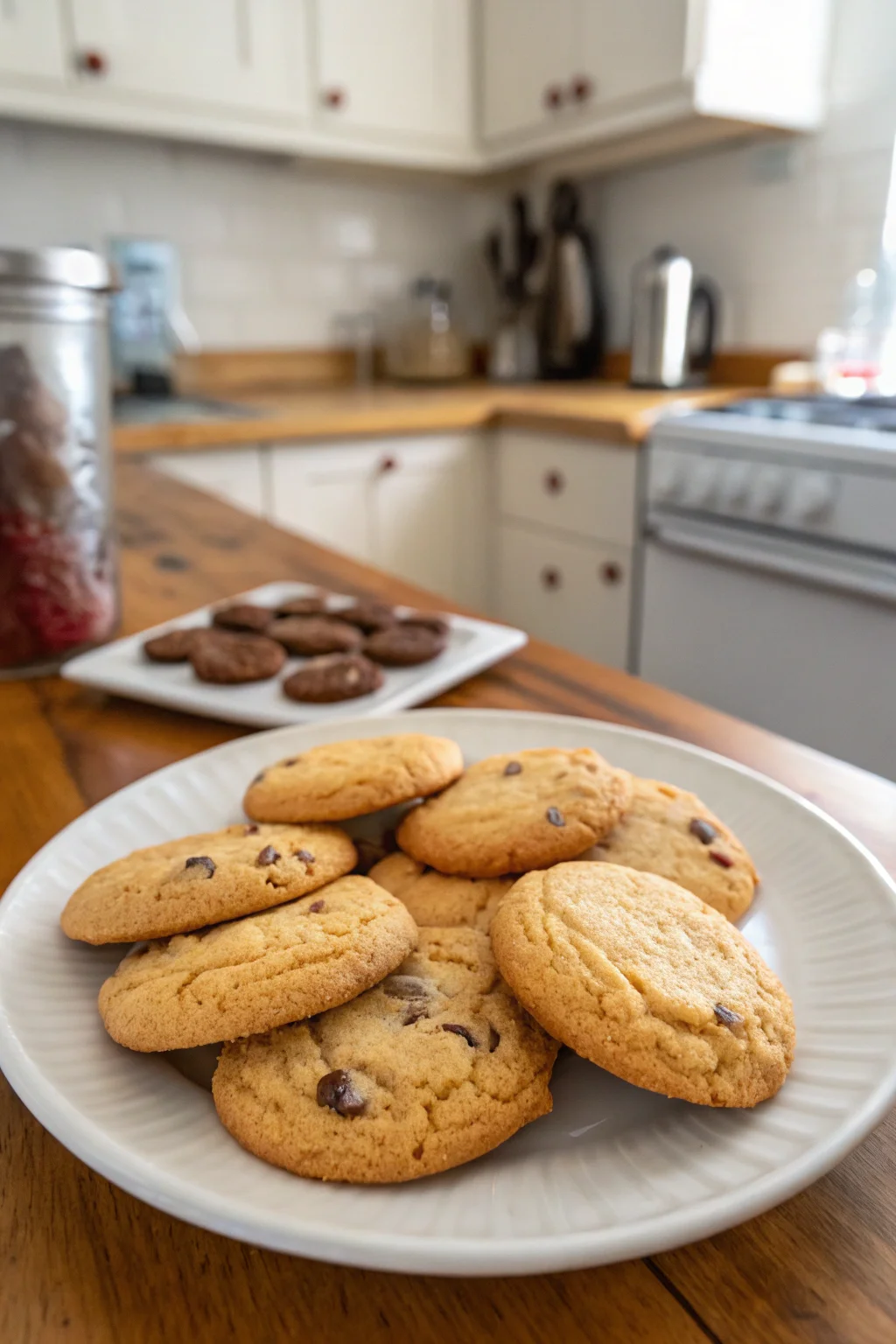
Everyone loves a soft, chewy cookie, but keeping them that way can be a challenge. Whether you’re baking for a special occasion or simply enjoying a batch at home, knowing how to store your cookies properly can make all the difference. In this guide, we’ll answer some of the most common questions about keeping cookies soft and delicious for days.
Table of Contents
How Do You Store Cookies to Keep Them Soft?
To keep cookies soft, store them in an airtight container immediately after they’ve cooled. This prevents air from drying them out. Here are some tips:
- Use a container with a tight seal: This keeps moisture in and air out. Look for containers with rubber or silicone seals, as these are most effective at maintaining an airtight environment. Glass containers with snapping lids or well-sealed plastic ones are excellent choices. If you have a vacuum sealer, consider using it for the ultimate airtight storage, especially for long-term preservation.
- Add a slice of bread: The bread will release moisture, keeping the cookies soft. Opt for plain white bread to prevent flavor transfer. Replace the bread slice every couple of days as it becomes stale to ensure continuous moisture release. An alternative is to use a fresh slice of apple or a marshmallow, which can also help maintain moisture without impacting the flavor too much.
- Separate layers with parchment paper: This prevents cookies from sticking to each other. Parchment paper also helps absorb excess oil, keeping cookies from becoming greasy. If you don’t have parchment paper, wax paper or even a clean kitchen towel can be a temporary substitute.
For more on baking perfect cookies, check out our guide on baking basics.
Can You Freeze Soft Cookies to Preserve Their Texture?
Yes, freezing is a great way to preserve the softness of cookies. Here’s how:
- Wait for cookies to cool completely: This prevents condensation, which can make them soggy. Cooling racks are ideal for promoting even cooling and preventing moisture from getting trapped. Make sure that the cookies are not just cool to the touch but completely at room temperature before proceeding.
- Wrap cookies individually in plastic wrap: This ensures they don’t stick together. Wrapping each cookie tightly ensures that even if the container isn’t perfectly sealed, each cookie is still protected. You can also use aluminum foil or wax paper as an alternative to plastic wrap if you’re trying to reduce plastic use.
- Store in a freezer-safe container or bag: This offers extra protection from freezer burn. Consider using vacuum-sealed bags if you plan on storing them for more than a month, as this will extend their life significantly. Label the containers with the date of freezing to keep track of how long they’ve been in the freezer.
When ready to eat, thaw them at room temperature for about an hour. For a freshly-baked feel, warm them in the oven at a low temperature for a few minutes before serving. This can re-crisp the edges while keeping the centers soft.
What Ingredients Help Cookies Stay Soft?
Certain ingredients can help maintain a cookie’s softness:
- Brown sugar: Its higher moisture content helps keep cookies soft. The molasses in brown sugar also contributes to the chewy texture. Try substituting part of the white sugar in your recipe with brown sugar for softer cookies. For an even more pronounced impact, you can use dark brown sugar, which contains more molasses.
- Butter or shortening: Fats add moisture and richness. While butter provides excellent flavor, shortening can make cookies softer and thicker. A combination of both can yield the best of both worlds. If you’re looking for a buttery flavor with a softer texture, try using a 50/50 blend of butter and shortening.
- Corn syrup or honey: These sweeteners retain moisture better than granulated sugar. Use them sparingly, as they can also make cookies overly sweet if overused. A tablespoon or two in a standard cookie recipe can be enough to add chewiness without overpowering the flavor.
Adjusting these ingredients can make a big difference in the final texture of your cookies. Experiment with different proportions to find the perfect balance for your taste. Adding a tablespoon of cream cheese or Greek yogurt can also enhance softness and moisture.
Is It Better to Store Cookies in the Fridge?
Generally, storing cookies in the fridge is not recommended as it can dry them out. Instead:
- Use the fridge for short-term storage only: If you must refrigerate, keep them in an airtight container. For instance, if your kitchen is very warm or humid, refrigeration might be necessary for a day or two. Ensure the container is truly airtight to prevent fridge odors from seeping in.
- Bring to room temperature before serving: This will help restore some softness. Allow them to sit out for about 30 minutes to an hour for the best texture. If you’re in a hurry, a few seconds in the microwave can also help regain their softness.
Discover more storage tips in our article on kitchen organization.
How Long Do Soft Cookies Last at Room Temperature?
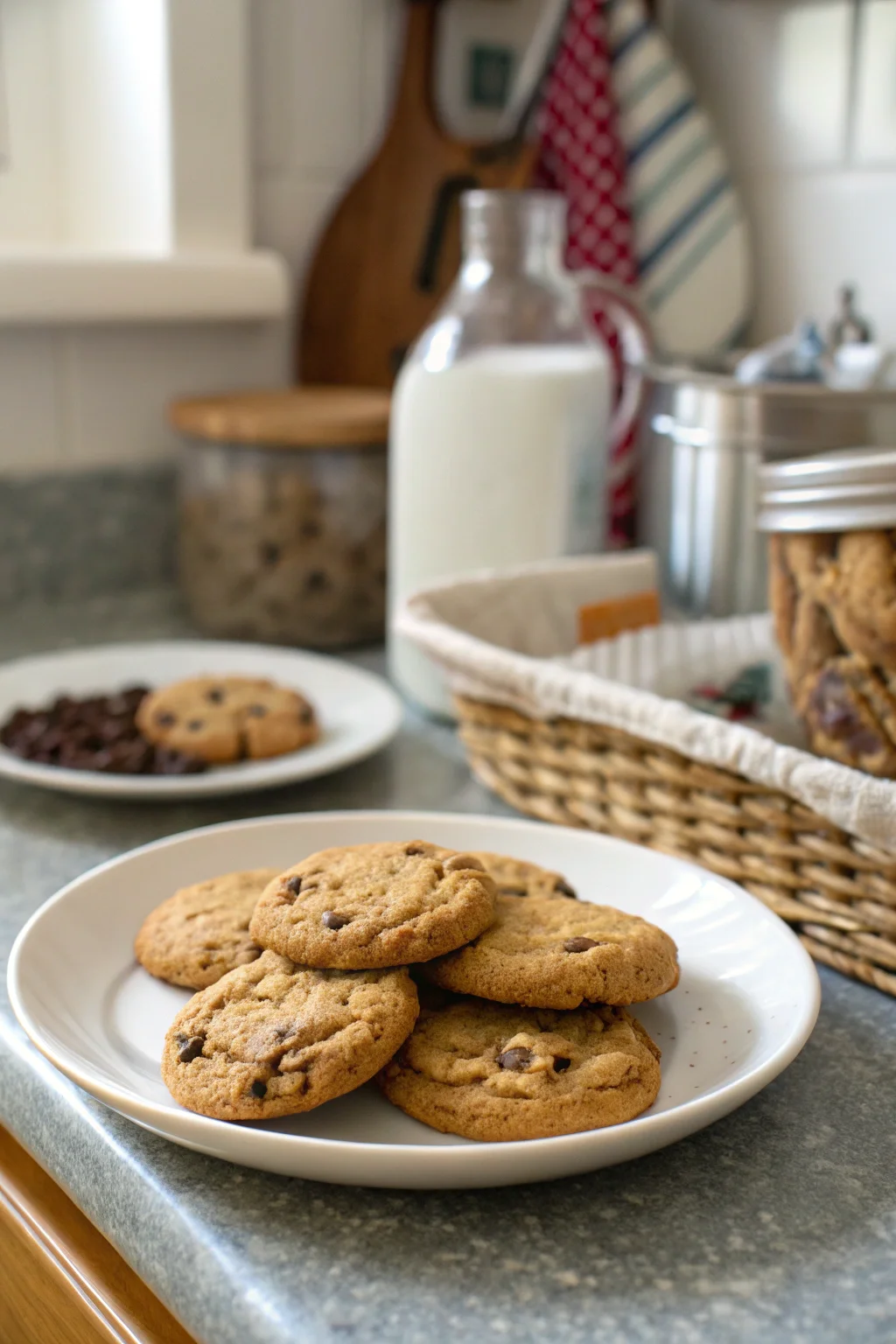
Soft cookies typically last for about a week when stored correctly at room temperature. To maximize their shelf life:
- Use an airtight container: This keeps them fresh longer. Choose containers that are the right size for the number of cookies you have to minimize air space. Overly large containers can trap more air, accelerating staleness.
- Keep away from direct sunlight and heat: These conditions can dry out cookies faster. Store them in a pantry or cupboard instead of on the counter if your kitchen gets a lot of sun. If you have a cool, dark pantry, this is the ideal spot for cookie storage.
For tips on extending the freshness of other baked goods, visit King Arthur Baking.
Can Adding Certain Spices Help Maintain Softness?
While spices like cinnamon and nutmeg don’t directly affect softness, they can enhance flavor, making the cookies more enjoyable. To maintain softness:
- Pair spices with moisture-retaining ingredients: Use brown sugar or honey. This combination can make your cookies both flavorful and soft. Consider adding a pinch of salt to balance sweetness and enhance the spice’s flavor.
- Ensure even distribution: Mix spices thoroughly for consistent flavor. This can be achieved by sifting spices with your dry ingredients to ensure they are evenly spread throughout the dough. A good rule of thumb is to mix spices into your sugar first to help them disperse more evenly.
What Role Does Baking Time Play in Cookie Softness?
Baking time is crucial for maintaining softness:
- Undercook slightly: Remove cookies from the oven when they are just set but still soft in the center. They will continue to cook on the baking sheet due to residual heat. Aim to take them out when the edges are firm but the centers are still a bit doughy.
- Allow cookies to cool on the baking sheet: This lets them continue cooking slightly without drying out. Leaving them on the sheet for a few minutes before transferring them to a cooling rack helps set their shape while maintaining a soft center. For large batches, consider baking in stages to ensure consistent results.
Check our baking timing guide for more insights.
Can Humidity Affect Cookie Softness?
Yes, humidity can impact texture:
- High humidity: Can make cookies soggy if not stored properly. Consider using silica gel packets in your storage containers to absorb excess moisture in humid climates. Be sure that any moisture-absorbing agents you use are food-safe and kept away from direct contact with the cookies.
- Low humidity: Can dry out cookies quickly. In dry environments, you might need to add another moisture source, such as an additional slice of bread. Using a humidifier in your kitchen during particularly dry seasons can also help maintain a more consistent moisture level.
Use airtight containers and consider adding a slice of bread to counteract humidity effects.
Should You Cool Cookies Completely Before Storing?
Yes, cooling is crucial:
- Prevents condensation: Ensures no excess moisture builds up inside the container. Moisture can lead to sogginess or mold if trapped in a sealed environment. Cooling racks are especially helpful for allowing air to circulate around the cookies, speeding up the process.
- Enhances texture: Allows cookies to set properly. Proper cooling ensures that the cookie structure solidifies without becoming hard or crisp. This process can take up to an hour depending on the size and thickness of the cookies.
Only store cookies once they’re completely cool to the touch. If they are even slightly warm, the trapped heat can produce steam, compromising texture.
Are There Specific Containers Recommended for Cookie Storage?
Yes, certain containers work better:
- Glass or plastic containers with tight lids: Ideal for maintaining softness. These materials do not absorb odors or moisture, which helps keep cookies fresh. For best results, choose containers that are just big enough to fit your cookies with minimal extra air space.
- Cookie tins: Good for short-term freshness but not as airtight. For longer storage, line tins with parchment paper and seal them in a plastic bag within the tin. This dual-layer approach combines the aesthetic appeal of tins with the practical benefits of airtight plastic.
Avoid paper bags as they allow air and moisture changes, which can lead to stale cookies. If using bags, opt for heavy-duty zip-lock bags, squeezing out as much air as possible before sealing.
Is There a Difference in Storing Homemade vs Store-Bought Cookies?
Both types benefit from similar storage practices:
- Homemade cookies: More susceptible to drying, so airtight storage is crucial. They typically lack preservatives, making them more delicate. Consider adding a moisture source like a slice of bread or a marshmallow to the storage container to counteract drying.
- Store-bought cookies: Often have preservatives but still benefit from airtight storage to maintain texture. Even with preservatives, exposure to air can cause them to lose freshness and become stale. For store-bought cookies, preserving their crispiness might also be a concern, so consider separating them from homemade soft cookies.
How Can You Revive Cookies That Have Already Hardened?
Reviving hard cookies is possible:
- Microwave with a damp paper towel: 10-15 seconds to add moisture. The steam from the damp towel softens the cookies, making them pliable again. Be cautious not to over-microwave, as this can make them tough.
- Oven method: Warm them at a low temperature (about 300°F) for a few minutes. This method works well for larger batches that need refreshing. For even better results, place a shallow pan of water in the oven to add moisture to the environment during reheating.
Are There Any Special Considerations for Storing Different Types of Cookies Together?
It’s best to store different types separately:
- Flavor transfer: Strong flavors like mint can overpower others. Mint cookies, for example, can impart their flavor to nearby treats. If you must store them together, consider individually wrapping strongly flavored cookies.
- Texture changes: Soft cookies can become hard if stored with crunchy ones because the moisture from the soft cookies will be absorbed by the dry ones. To maintain the intended texture, always separate soft and crunchy cookies.
For more on maintaining cookie quality, explore Taste of Home.
Wrap-Up
Keeping cookies soft and enjoyable requires a combination of proper ingredients, baking techniques, and storage methods. By following these tips, you can extend the freshness and softness of your cookies, ensuring they remain a delightful treat for days to come. For more baking tips and tricks, be sure to visit our baking blog.