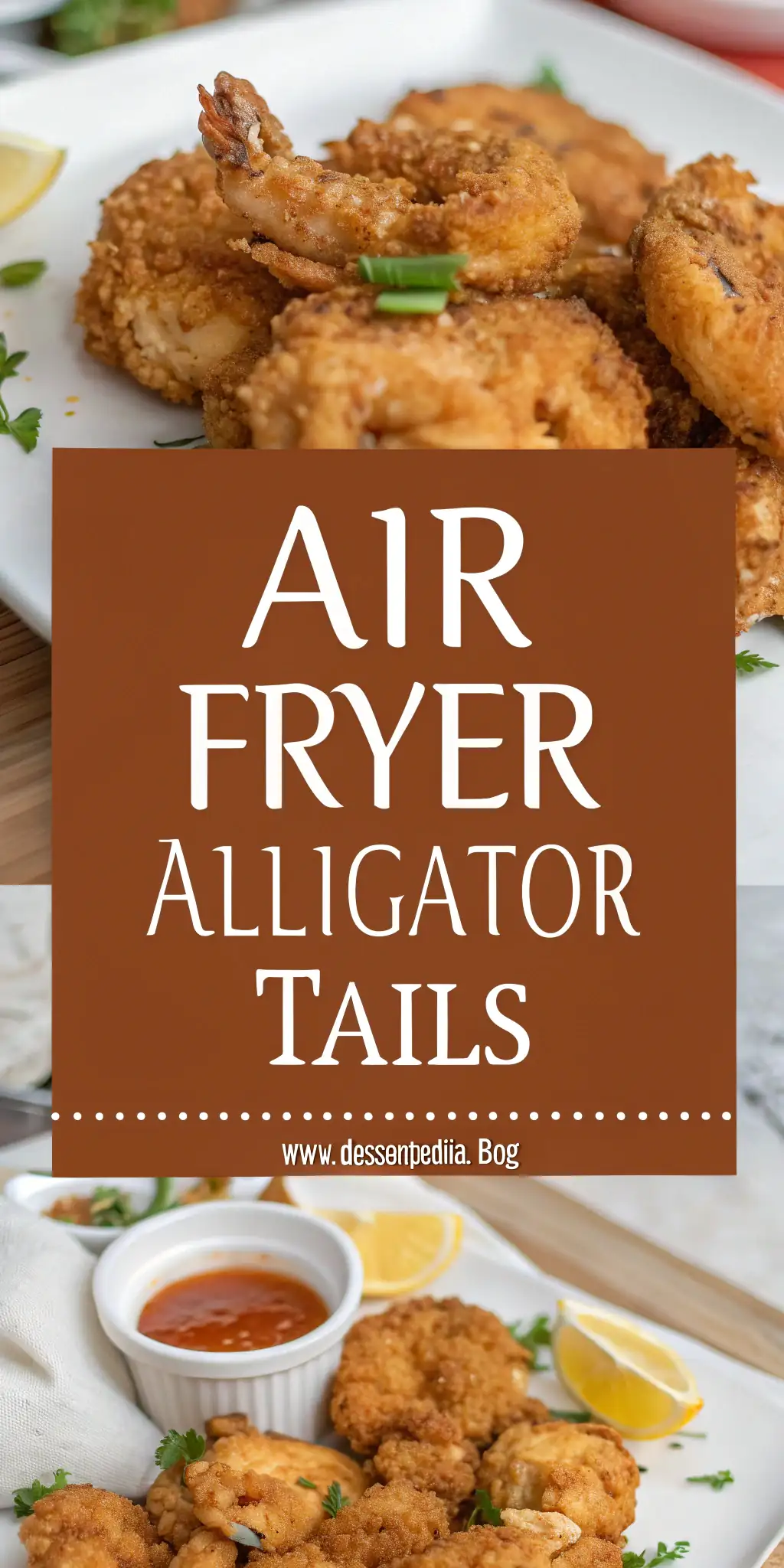
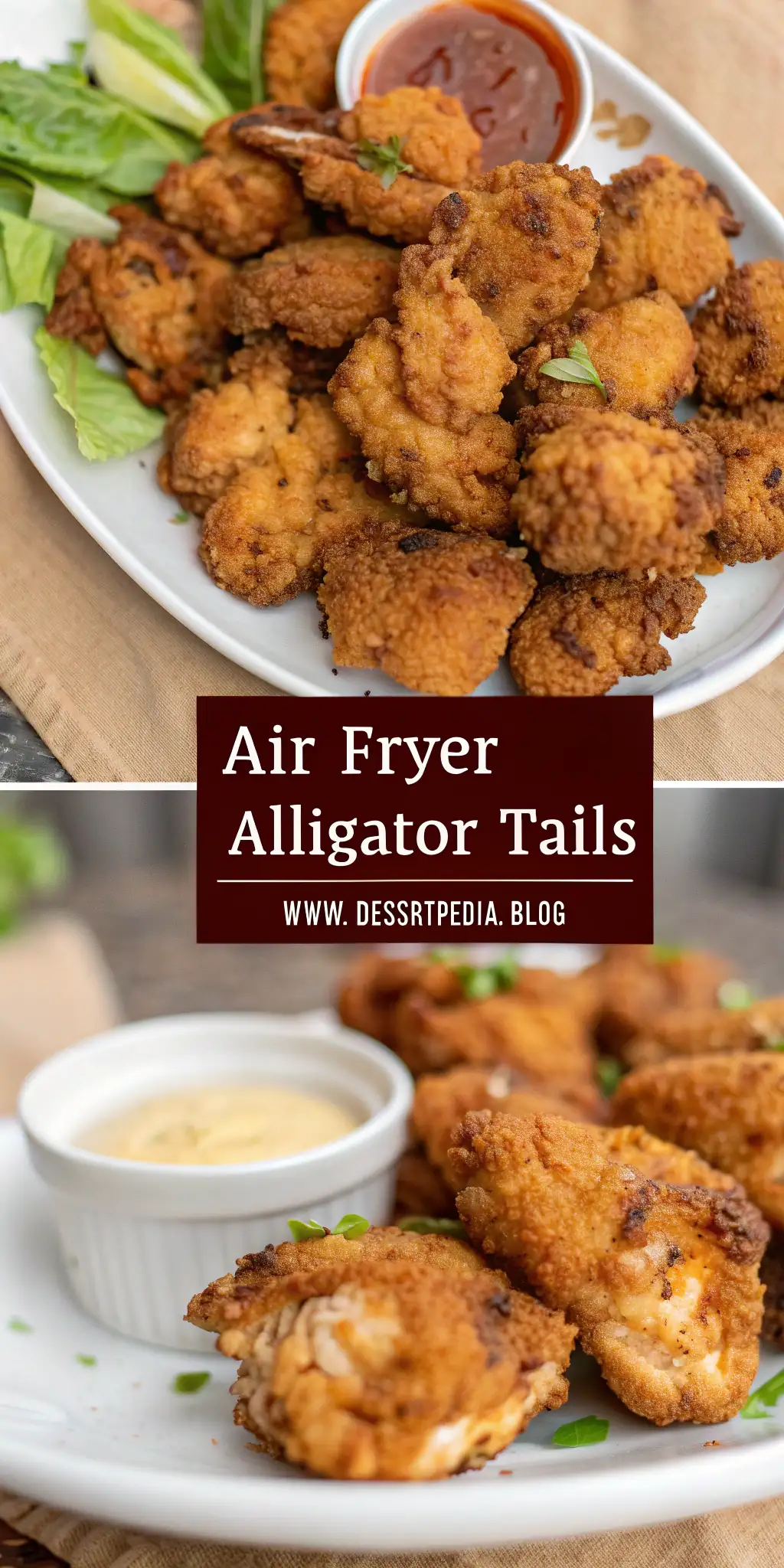
Air Fryer Alligator Tails
Air Fryer Alligator Tails: A Southern Delight with a Modern Twist
Growing up in the heart of Louisiana, alligator meat was a staple in our family gatherings. My grandmother, a true culinary artist, would whip up the most delectable fried alligator tails that brought the family together like nothing else. Those cozy weekends, filled with laughter and the irresistible aroma of spices, have inspired me to create this modern take on a classic dish: Air Fryer Alligator Tails. Using an air fryer not only captures the essence of those flavors but also makes the dish accessible and healthier for today’s home cooks. Whether you’re a seasoned cook or a kitchen novice, this recipe will guide you in crafting a deliciously crispy and tender meal that celebrates the unique flavor of alligator meat.
Why This Recipe Works:
• Healthier Cooking: Air frying reduces the amount of oil needed, making it a lighter alternative to traditional frying without sacrificing the crispy texture we love. The air fryer circulates hot air around the alligator pieces, ensuring even cooking and a delightful crunch with minimal oil.
• Quick and Easy: With a prep time of just 15 minutes and a cook time of 10 minutes, this dish is perfect for a weeknight dinner or a quick appetizer. The simplicity of the process, from marinating to frying, ensures that you can enjoy this gourmet dish without a long wait.
• Flavorful Marinade: Soaking the alligator tails in buttermilk infuses them with subtle tanginess and tenderizes the meat, enhancing its natural flavor. The buttermilk acts as a tenderizer, breaking down proteins and ensuring the meat remains juicy and flavorful.
• Crispy Coating: The seasoned flour mixture provides a perfectly spiced crust that contrasts beautifully with the tender meat inside. The combination of paprika, garlic powder, and onion powder creates a balanced flavor profile that complements the unique taste of alligator.
• Versatile Dish: This recipe serves as a fantastic base, allowing you to customize the spice level and pair it with a variety of dipping sauces. Whether you prefer a mild or spicy dish, you can adjust the seasonings to suit your taste.
Ingredients:
• 1 pound alligator tail meat: Cut into bite-sized pieces for even cooking and easy serving. Alligator meat is low in fat and high in protein, making it a healthy choice for those looking to try something different.
• 1 cup buttermilk: Adds tanginess and acts as a tenderizer. If you’re out of buttermilk, you can create a substitute by mixing one cup of milk with a tablespoon of vinegar or lemon juice and letting it sit for a few minutes until it curdles.
• 1 cup all-purpose flour: Forms the base of the crispy coating. For those needing a gluten-free option, almond flour or a gluten-free blend can be used instead.
• 1 teaspoon paprika: Adds color and a mild smoky flavor. Smoked paprika can be used for an extra depth of smokiness.
• 1 teaspoon garlic powder: Enhances the savory flavor. Garlic powder is a pantry staple that provides a concentrated garlic flavor without overpowering the dish.
• 1 teaspoon onion powder: Complements the garlic for a well-rounded taste. Onion powder is versatile and blends well with other spices to enhance the overall flavor.
• ½ teaspoon cayenne pepper (optional): Provides a spicy kick for those who enjoy heat. Adjust to taste depending on your preference for spice.
• ½ teaspoon salt: Balances the flavors. Kosher salt or sea salt can be used depending on your preference.
• ½ teaspoon black pepper: Adds a hint of spice. Freshly ground black pepper will enhance the flavor with its aromatic properties.
Step-by-Step Instructions:
-
In a bowl, soak the alligator pieces in buttermilk for at least 30 minutes. This step enhances flavor and tenderness. For the best results, marinate the alligator tails in the refrigerator to keep them cool and safe.
-
In another bowl, mix the flour, paprika, garlic powder, onion powder, cayenne pepper, salt, and black pepper. Ensure all ingredients are well-incorporated for an even coating.
-
Preheat your air fryer to 400°F (200°C). Preheating ensures that when the alligator pieces are added, they start cooking immediately, which helps achieve the desired crispiness.
-
Remove alligator pieces from buttermilk and let the excess drip off. Pat them dry lightly with a paper towel to remove any remaining marinade and ensure the coating sticks better.
-
Dredge the alligator pieces in the seasoned flour, ensuring they are fully coated. Press gently to adhere the coating to the meat.
-
Spray the air fryer basket with cooking spray to prevent sticking. This step is crucial to ensure the alligator pieces don’t stick and break apart when cooking.
-
Place the coated alligator pieces in the air fryer basket in a single layer (you may need to do this in batches). Avoid overcrowding to ensure even cooking.
-
Spray the tops of the alligator pieces lightly with cooking spray for extra crispiness. This mimics the effect of deep frying by creating a golden-brown crust.
-
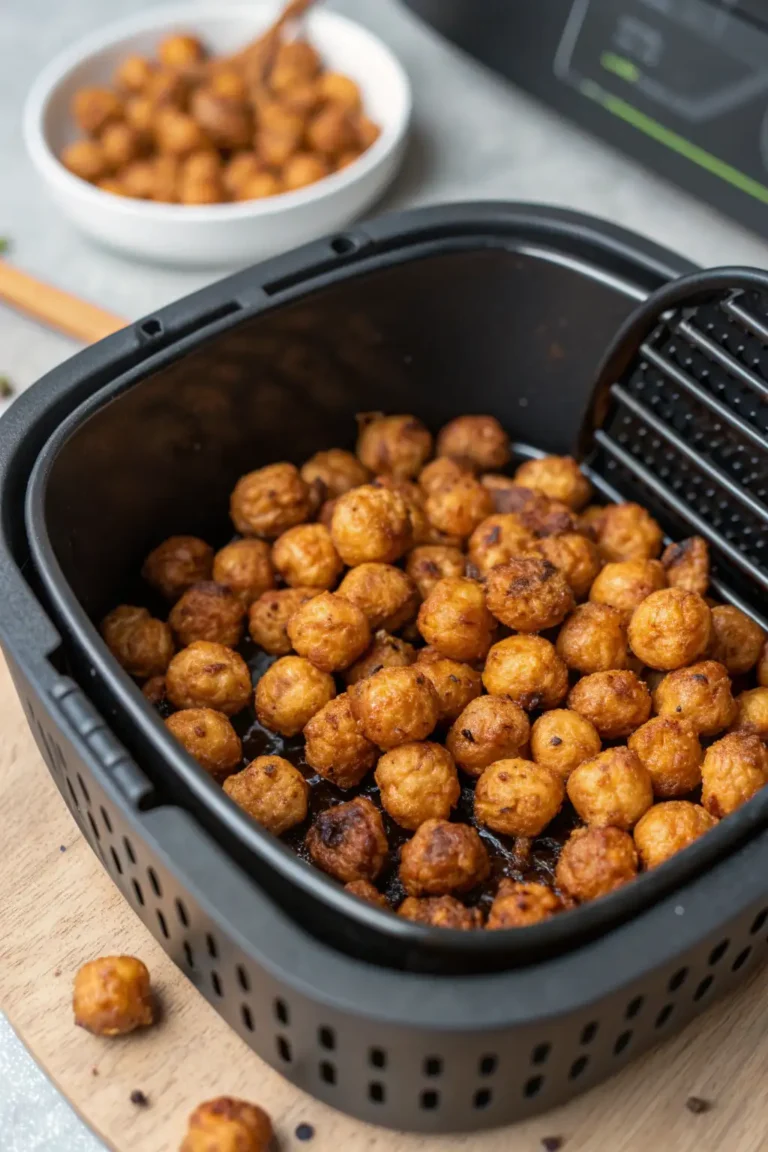
Cook at 400°F for 8-10 minutes or until golden brown and cooked through, shaking the basket halfway through. Shaking ensures all sides are evenly crispy.
-
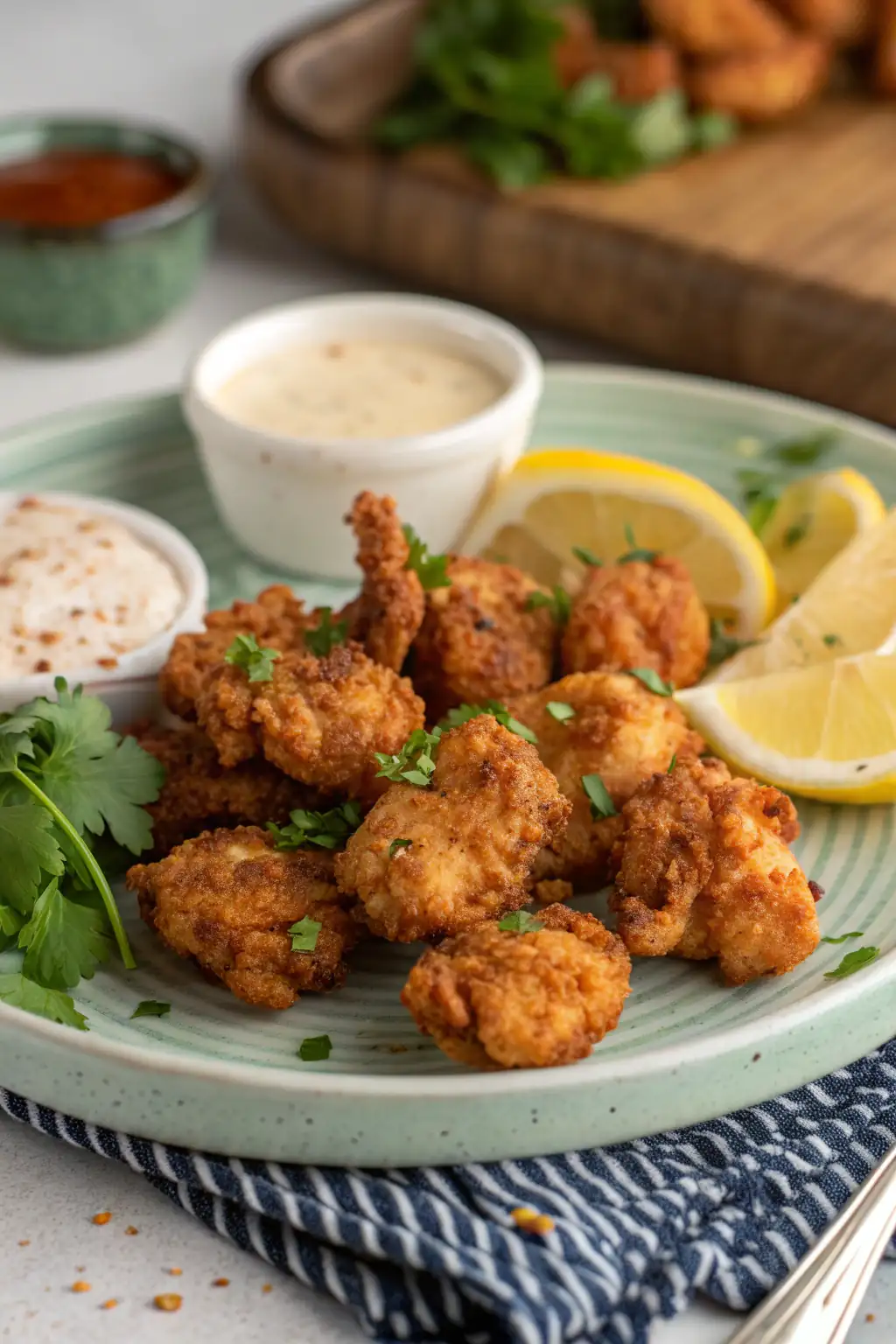
Serve immediately with your choice of dipping sauce. The alligator tails are best enjoyed fresh from the fryer when they are at their crispiest.
Prep Time: 15 minutes
Cooking Time: 10 minutes
Total Time: 25 minutes
Yield: 2 Servings
Table: Calorie Breakdown for a Typical Serving
| Nutrient | Amount |
|---|---|
| Calories | 450 |
| Carbs | 35g |
| Protein | 38g |
| Fat | 18g |
| Sugar | 3g |
Patricia’s Tips for Success:
Tip 1: Ensure the alligator pieces are of similar size for even cooking. Uniform pieces cook at the same rate, preventing some from drying out while others remain undercooked.
Tip 2: Don’t overcrowd the air fryer basket; this helps the pieces get evenly crispy. If necessary, cook in batches to maintain space around each piece.
Tip 3: If you prefer a spicier kick, increase the cayenne pepper. You can also add hot sauce to the buttermilk for an extra layer of heat.
Tip 4: Use a thermometer to check that the internal temperature reaches 145°F for safety. This ensures the alligator is cooked through and safe to eat.
Tip 5: For extra flavor, marinate the alligator overnight in buttermilk. This extended marination time allows the buttermilk to further tenderize the meat and deepen the flavor.
Tip 6: Serve immediately for the best texture. The crispiness diminishes as the tails sit, so enjoy them fresh.
Tip 7: Experiment with different dipping sauces to find your favorite pairing. From classic remoulade to unique options like spicy aioli, the choice is yours.
Cooking Variations:
Variation 1: Substitute chicken for alligator if you prefer a more familiar taste. Chicken offers a similar texture and can be a great introduction for those hesitant to try alligator.
Variation 2: Add a tablespoon of cornmeal to the flour mixture for extra crunch. This addition enhances the texture and provides a delightful bite.
Variation 3: Try adding lemon zest to the flour mixture for a citrusy twist. The zest adds brightness and a fresh aroma that complements the meat.
Variation 4: Use almond flour for a gluten-free version. Almond flour offers a nutty flavor and is a great alternative for those with gluten sensitivities.
Variation 5: Incorporate different spices like cumin or chili powder for a unique flavor profile. These additions can transform the dish into something new and exciting.
Serving Suggestions:
Suggestion 1: Serve with a side of coleslaw for a refreshing contrast. The tangy and crunchy coleslaw complements the rich alligator tails beautifully.
Suggestion 2: Pair with spicy remoulade or ranch dressing for dipping. These sauces offer a creamy and flavorful accompaniment that enhances each bite.
Suggestion 3: Add to a salad for a hearty and flavorful topping. The crispy alligator tails add protein and texture to your favorite greens.
Suggestion 4: Serve with cornbread for a true Southern feast. Cornbread’s sweetness pairs well with the savory alligator tails.
Suggestion 5: Enjoy with a cold beer or iced tea for a perfect meal. These beverages provide a refreshing finish to the meal’s rich flavors.
Additional Thoughts:
Cooking alligator tails in an air fryer is not only an innovative way to enjoy this Southern delicacy but also a nod to how traditional recipes can be adapted for modern kitchens. The use of buttermilk is a testament to the flavors of the South, enhancing the meat’s tenderness and flavor. This dish turns a unique protein into something approachable and delicious. Whether you’re introducing your family to alligator for the first time or revisiting a beloved classic, this recipe is sure to impress and delight.
Join the Conversation:
Have you tried cooking alligator tails before? Share your experiences and any creative twists you’ve added to this recipe. Whether it’s your first time or you’re a seasoned pro, I would love to hear how this dish turned out for you and any tales it sparked at your dining table. Let’s celebrate the joy of cooking and sharing meals together!
Conclusion:
Air Fryer Alligator Tails offer a delightful blend of tradition and innovation, making them a must-try for anyone looking to explore new culinary horizons. The crispy texture and rich flavors are sure to make this dish a family favorite. Give it a try and experience a taste of the South right at your home!
Frequently Asked Questions:
Q: Can I use frozen alligator meat?
A: Yes, just ensure it’s fully thawed and patted dry before marinating. Removing excess moisture helps the coating adhere better.
Q: What if I don’t have buttermilk?
A: You can substitute with a mixture of milk and lemon juice or vinegar. This homemade buttermilk will provide similar tenderizing effects.
Q: How do I know when the alligator is cooked through?
A: The internal temperature should reach 145°F, and the meat should be opaque and flaky. This ensures safe consumption and optimal texture.
Q: Can I make this recipe without an air fryer?
A: Yes, you can bake them in the oven, but they may not be as crispy. Using a convection setting can help achieve a similar effect.
Q: Is alligator meat easy to find?
A: It’s available in some specialty stores and online. Check with local butchers or seafood markets. It’s worth calling ahead to verify stock.
Q: Can I make the coating spicier?
A: Absolutely, just adjust the cayenne pepper or add hot sauce to the buttermilk marinade. Customize the heat level to your liking.
Q: What other sauces go well with this dish?
A: Tartar sauce, aioli, or a spicy chili sauce are all excellent choices. Each offers a different flavor profile to complement the alligator tails.
Air Fryer Alligator Tails
Ingredients
Equipment
Method
- In a bowl, soak the alligator pieces in buttermilk for at least 30 minutes (you can skip this step for a quicker prep, but it adds flavor).
- In another bowl, mix the flour, paprika, garlic powder, onion powder, cayenne pepper, salt, and black pepper.
- Preheat your air fryer to 400°F (200°C).
- Remove alligator pieces from buttermilk and let excess drip off.
- Dredge the alligator pieces in the seasoned flour, ensuring they are fully coated.
- Spray the air fryer basket with cooking spray to prevent sticking.
- Place the coated alligator pieces in the air fryer basket in a single layer (you may need to do this in batches).
- Spray the tops of the alligator pieces lightly with cooking spray for extra crispiness.
- Cook at 400°F for 8-10 minutes or until golden brown and cooked through, shaking the basket halfway through.
- Serve immediately with your choice of dipping sauce.