What’s the Best Way to Boil Eggs for Easy Peeling?
What’s the Best Way to Boil Eggs for Easy Peeling?
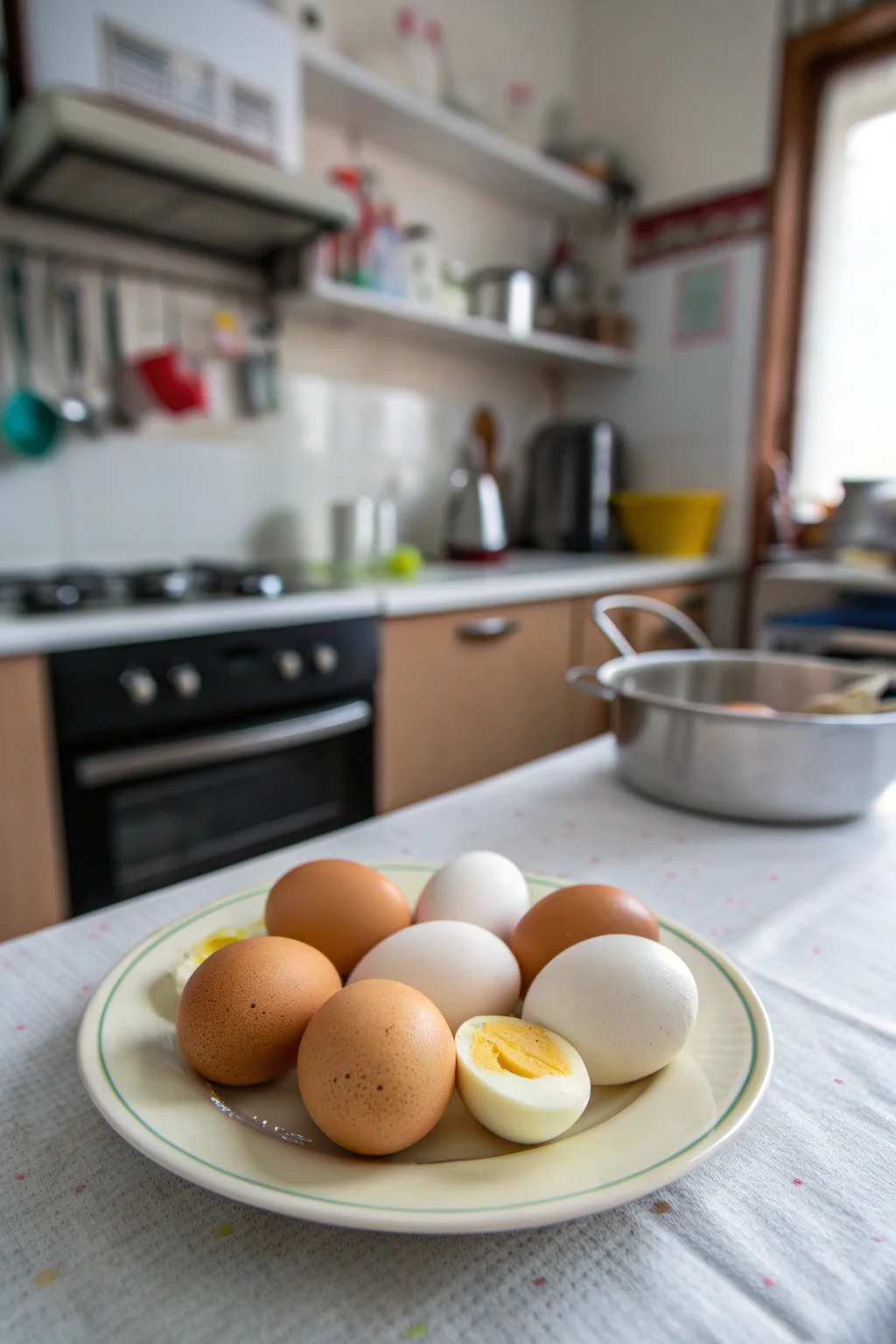
Boiling eggs perfectly can be a tricky task, especially when you want them to peel effortlessly. Whether you’re preparing a quick breakfast or making deviled eggs for a party, knowing the best way to boil eggs can make all the difference. This guide will answer your most pressing questions about boiling eggs for easy peeling, providing you with practical tips to achieve perfect results every time.
Table of Contents
How Does the Age of Eggs Affect Peeling?
The age of your eggs significantly impacts how easily they peel. Fresh eggs have a lower pH level, which causes the egg white to adhere more tightly to the shell. As eggs age, the pH level increases, resulting in easier peeling. Ideally, using eggs that are at least a week old will enhance peeling ease. Fresh eggs can be a real challenge to peel because the inner egg white clings more strongly to the shell membrane.
- Tip: If you only have fresh eggs, add a teaspoon of vinegar or baking soda to the water to help increase the pH. This small adjustment can make a noticeable difference, helping to create a small buffer between the egg white and the shell.
For more egg-related tips, check out our guide on storing eggs.
Should You Start with Cold or Boiling Water?
Starting with boiling water is typically recommended for easy peeling. When eggs are added to boiling water, they cook more quickly and evenly, reducing the chance of sticking. The sudden change in temperature can help create a slight separation between the egg white and the shell.
- Steps: 1. Bring a pot of water to a rolling boil. Make sure you have enough water to cover the eggs by at least an inch. 2. Carefully lower the eggs into the water using a slotted spoon. Lower them gently to avoid cracking. 3. Maintain a gentle boil and adjust the temperature if necessary. A rapid boil can cause eggs to bump against each other and crack.
This method helps create a thin membrane between the egg white and shell, facilitating peeling. It’s a technique often used in cooking schools to ensure consistent results.
How Long Should You Boil Eggs?
Boiling time depends on your desired firmness:
- Soft-boiled: 6-7 minutes
- Medium-boiled: 8-10 minutes
- Hard-boiled: 11-14 minutes
Consistency in timing ensures uniform results. Use a timer to avoid overcooking, which can result in a greenish yolk and rubbery whites. It’s essential to adjust the time slightly based on your altitude, as water boils at lower temperatures at higher elevations, which may require a slightly longer cooking time.
Is Steaming a Better Method?
Yes, steaming is an excellent alternative to boiling. Steaming eggs can result in easier peeling because the eggs cook more gently, reducing the chance of overcooking. This method is particularly beneficial if you’re cooking a large batch of eggs.
- Instructions: 1. Place a steaming basket in a pot with an inch of water. You can use a metal steamer basket or a collapsible steaming basket. 2. Bring the water to a boil. Ensure that the water level is just below the steaming basket, so the eggs are not submerged. 3. Add eggs and cover. Covering the pot traps steam, ensuring an even cooking environment. 4. Steam for 12-14 minutes for hard-boiled eggs. Adjust the time based on how you like your eggs.
Steaming offers a consistent temperature, which cooks eggs evenly and makes peeling simpler. The gentle cooking process reduces the likelihood of cracking and delivers perfectly cooked eggs every time. Learn more about steaming techniques.
Does an Ice Bath Help with Peeling?
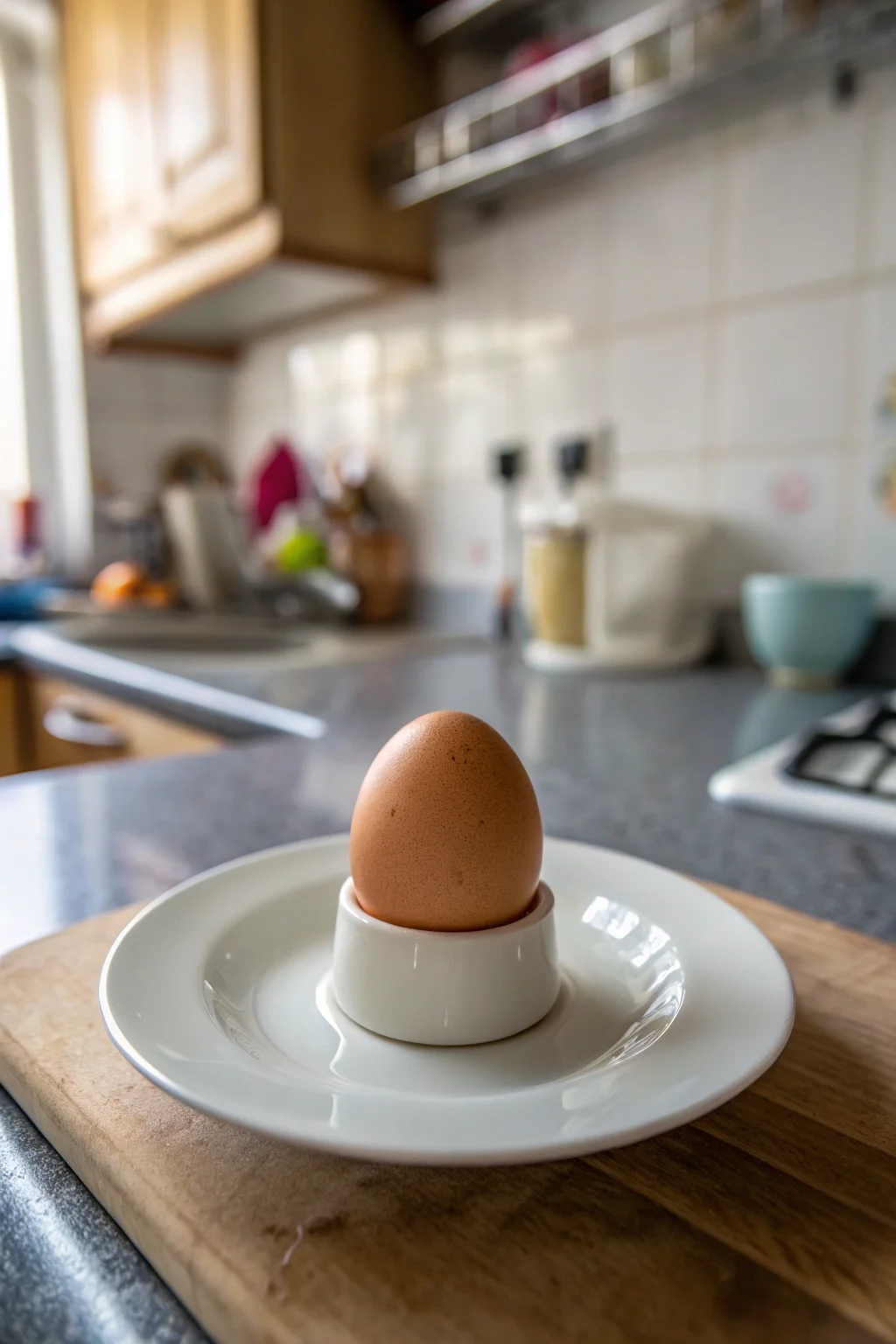
An ice bath is crucial for easy peeling. After boiling, immediately transfer eggs to an ice bath. This sudden temperature change stops the cooking process and helps separate the egg white from the shell. It also firms up the eggs, making them easier to handle when peeling.
- Steps: 1. Prepare a bowl of ice water while the eggs cook. Fill a large bowl with cold water and ice cubes. 2. Submerge the cooked eggs in the ice bath for at least 5 minutes. Longer is fine if you’re busy with other kitchen tasks.
This method not only aids peeling but also keeps the yolk bright and tender. It’s particularly useful if you’re making deviled eggs or any dish where presentation matters. The sudden cooling also halts the cooking process, preventing overcooking and ensuring a vibrant yolk.
Can Baking Soda Improve Peeling?
Adding baking soda to your boiling water can improve peeling. The alkaline nature of baking soda raises the water’s pH, which helps loosen the shell. It’s a simple, effective trick to enhance the peeling process, especially when you’re dealing with eggs that are too fresh.
- Instructions: 1. Add 1 teaspoon of baking soda to the boiling water. This small amount is enough to adjust the pH level. 2. Proceed with your usual boiling method. You can still use this method whether you start with cold or boiling water.
While not always necessary, this can be especially helpful with very fresh eggs. Some people find that baking soda can impart a slightly salty taste to the eggs, so it’s best to experiment to see if you notice any flavor changes.
How Do You Properly Crack and Peel Eggs?
Proper peeling technique can make a big difference. After cooling the eggs in an ice bath, follow these steps to ensure you peel without damaging the egg white:
- Tap the egg gently on a hard surface until it has small cracks. Be sure to crack all around the egg for easier peeling.
- Roll the egg under your palm to loosen the shell. This helps separate the shell from the egg white.
- Start peeling from the broader end, where there is usually an air pocket. The air pocket gives you a good starting point to get under the shell.
This method minimizes the risk of tearing the egg white. If you find a membrane sticking to the egg, peel under running water, which can help lift the membrane off without tearing the egg white.
Does Salt in the Water Help with Peeling?
Adding salt to the boiling water can make peeling easier. The salt may help firm up the proteins, reducing the chance of sticking. This technique is a traditional method that many cooks swear by for improving the peelability of boiled eggs.
- Recommendation: Add a teaspoon of salt to the boiling water before adding eggs. The salt can also help if an egg cracks while boiling, as it helps coagulate the white quickly.
While the effect is subtle, it’s a simple addition that may improve your results. It’s a no-fuss method that requires no additional time or effort.
Are Fresh or Older Eggs Better for Boiling?
Older eggs are generally better for boiling if you want easy peeling. As eggs age, the air cell enlarges, and the egg white shrinks slightly, making peeling simpler. This natural process is advantageous when boiling eggs.
- Tip: Plan ahead by purchasing eggs a week before you intend to boil them. This way, you’ll have eggs that are naturally easier to peel when you’re ready to cook.
For more on egg freshness, visit Egg Safety Center.
How Can You Test Egg Freshness?
To test egg freshness, use the float test. This simple method is reliable and can help you determine which eggs are best for boiling.
- Fill a bowl with water. Ensure the water level is high enough for the eggs to float freely.
- Gently place the egg in the water. Be careful to avoid cracking the shell.
Results: – Sinks and lays flat: Very fresh – Stands upright: 1-2 weeks old – Floats: Old, potentially unsafe to eat
This test helps you select the best eggs for boiling and peeling. It’s a quick check that can save you from the frustration of dealing with hard-to-peel eggs.
Why Do Some Eggs Have a Green Ring Around the Yolk?
A green ring around the yolk often indicates overcooking. This ring is caused by a reaction between sulfur in the egg white and iron in the yolk. It’s common in hard-boiled eggs that are cooked for too long.
- Prevention: Use a timer to avoid overcooking and cool eggs quickly in an ice bath. These steps are key to achieving perfectly cooked eggs with a bright yellow yolk.
Understanding this helps you avoid common pitfalls in egg boiling. The green ring is harmless but can affect the visual appeal of dishes like deviled eggs.
Can You Reuse the Boiling Water?
Reusing boiling water is safe, but it may alter the taste slightly if reused multiple times. If you plan to boil more eggs, ensure the water is still clean and free of any debris.
- Tip: Refresh the water occasionally for best results. If you’ve added baking soda or vinegar, the water may become cloudy after a few uses, which is a good indication to start fresh.
Reusing water conserves resources and energy, but it’s important to keep hygiene in mind, especially if the water appears dirty or has an off odor.
Conclusion
Boiling eggs for easy peeling requires a combination of the right techniques and timing. By understanding the role of egg age, using effective boiling methods, and employing tricks like ice baths and baking soda, you can achieve perfect hard-boiled eggs every time. For more cooking tips, explore our cooking basics section. With these insights, you’ll be well on your way to mastering the art of boiling eggs. Perfectly boiled eggs can elevate your dishes, from simple breakfast plates to elegant hors d’oeuvres. Happy cooking!