Why Is My Rice Mushy? | Cooking Tips to Avoid It
Why Is My Rice Mushy? | Cooking Tips to Avoid It
Cooking rice perfectly can be a bit tricky, and ending up with mushy rice is a common problem many cooks face. Whether you’re making a simple side dish or a flavorful risotto, achieving the right texture is crucial. This guide will answer your burning questions about why rice turns mushy and offer practical tips to help you cook it perfectly every time.
Table of Contents
What Causes Rice to Become Mushy?
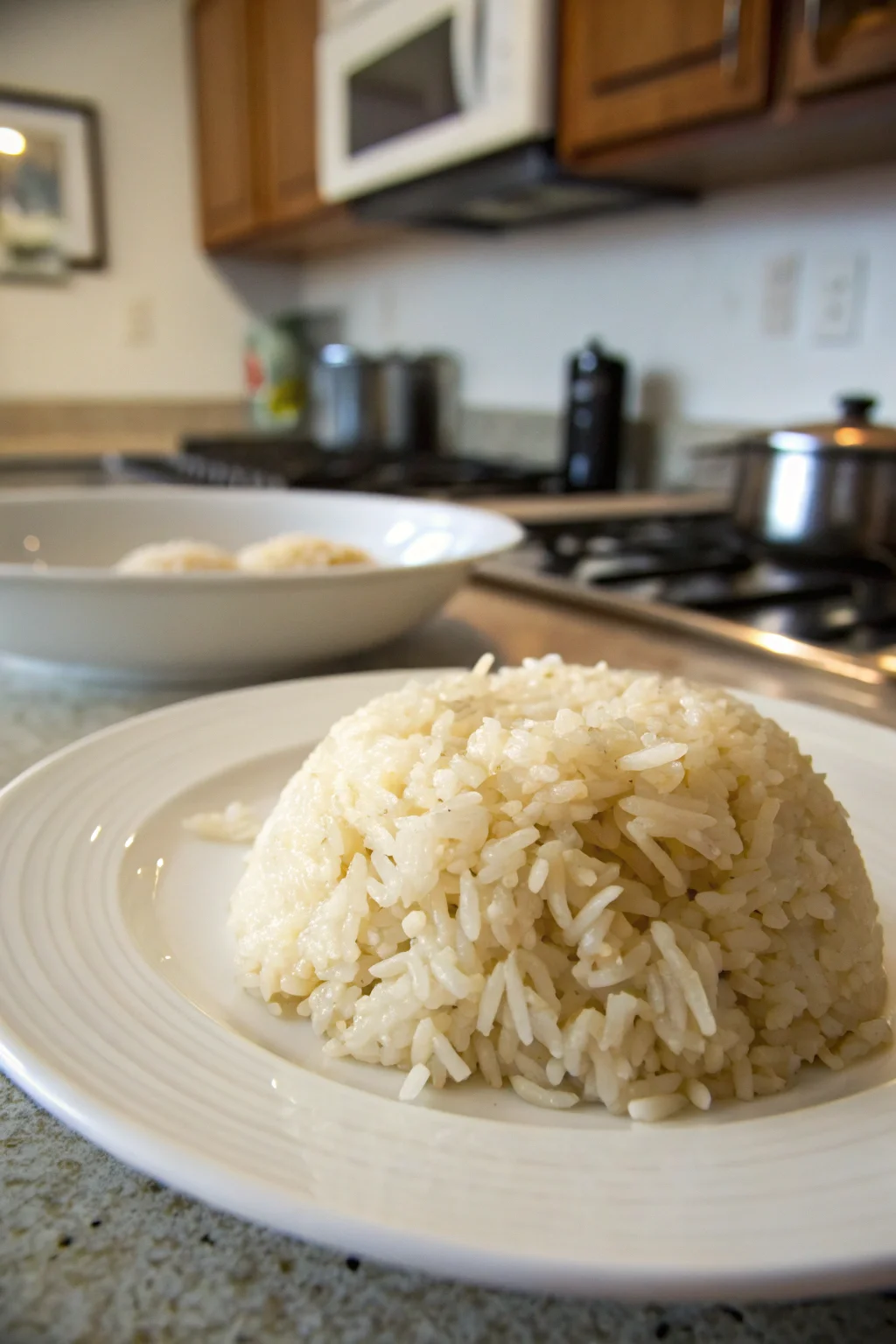
Rice becomes mushy primarily because of excess water. When there’s too much water, the rice grains absorb more moisture than they need, causing them to swell and break apart. Additionally, overcooking rice can also lead to a mushy texture, as it breaks down the starches too much. It’s important to strike the right balance between water and cooking time to maintain the structure of the rice grains.
Another factor that contributes to mushy rice is the type of heat applied during cooking. If the heat is too low, the rice might cook unevenly, resulting in some grains being overcooked before the water is fully absorbed. On the other hand, if the heat is too high, it can cause rapid water evaporation, leading to undercooked and then overcompensating with more water, which can turn the rice mushy. Using a consistent, moderate heat is key to preventing mushiness.
How Much Water Should I Use When Cooking Rice?
The general rule for white rice is a 1:2 ratio of rice to water. However, this can vary slightly depending on the type of rice. For example, brown rice often requires more water due to its tougher outer bran. Typically, a ratio of 1:2.5 or even 1:3 might be more appropriate for brown rice. Always check the package instructions for specific advice, as certain brands may have unique processing methods that affect water absorption.
Consider the altitude as well. At higher altitudes, water boils at a lower temperature, which can affect cooking times and water absorption. If you’re cooking rice at a high altitude, you might need to add a little more water or extend the cooking time slightly to achieve the desired texture.
Does Stirring Rice Make It Mushy?
Yes, stirring rice while it cooks can disrupt the grains and release more starch, which makes the rice sticky and mushy. Once you add the rice to boiling water, it’s best to leave it undisturbed until it’s finished cooking. Stirring breaks the grains and creates a creamy texture, which is desirable in dishes like risotto but not when you want fluffy rice.
If you’re tempted to stir, consider using a fork to gently fluff the rice after it’s finished cooking instead. This method helps separate the grains without breaking them down or releasing too much starch. The key is to touch the rice as little as possible during the cooking process to maintain its integrity.
Can the Type of Rice Affect Its Texture?
Absolutely, the type of rice you choose can significantly impact its texture. Short-grain rice tends to be stickier, making it ideal for sushi and certain desserts, while long-grain rice, like basmati or jasmine, usually remains fluffy and separate. Choose your rice based on the dish you’re preparing for the best results.
For example, basmati rice is perfect for pilafs and biryanis where you want each grain to be distinct. Jasmine rice, with its fragrant aroma, complements Thai and Southeast Asian dishes beautifully. Arborio rice, a short-grain variety, is essential for risottos due to its high starch content, which creates a creamy texture. Understanding these differences can help you select the right rice for your culinary needs and prevent unintended mushiness.
How Does Cooking Time Affect Rice Texture?
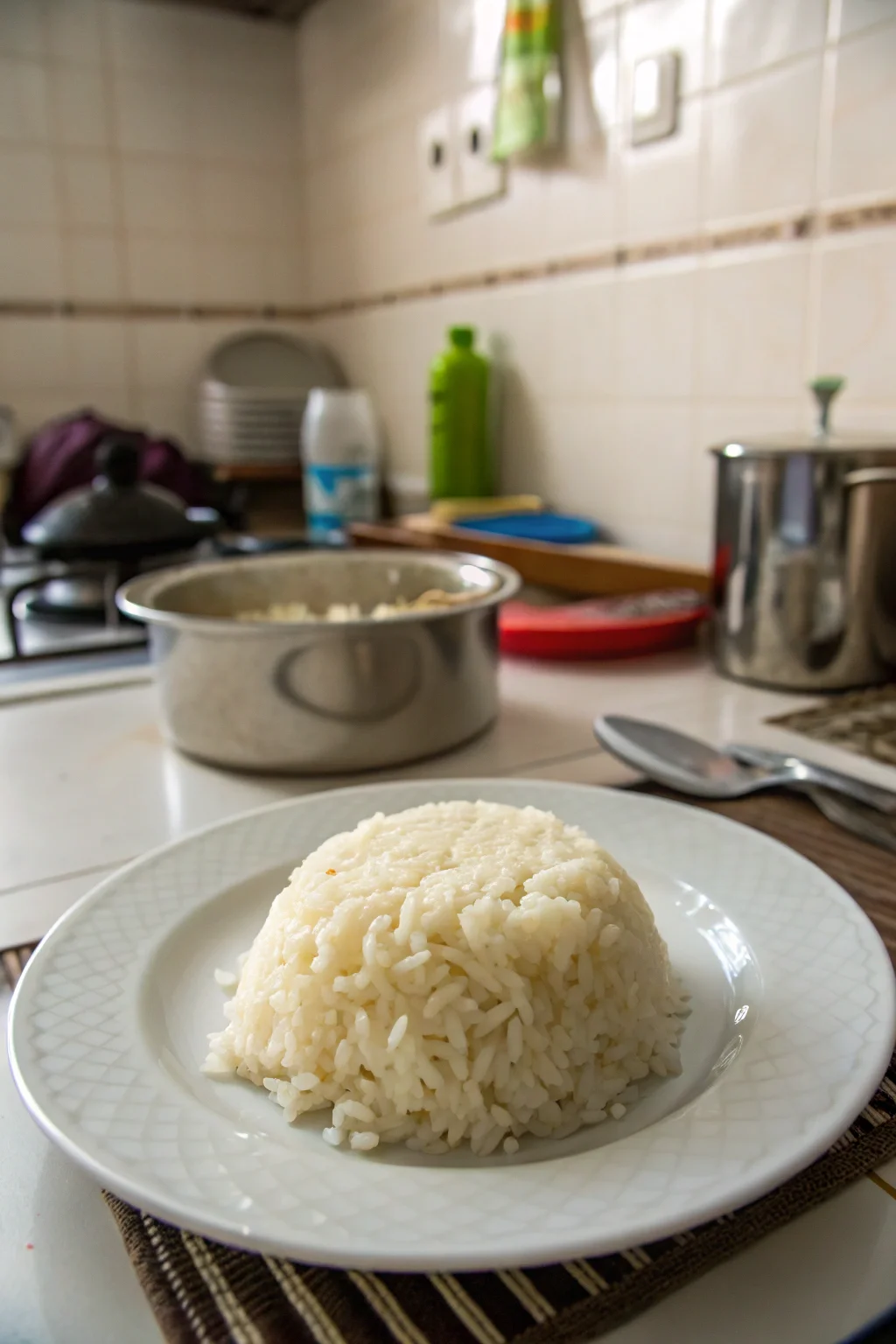
Cooking rice for too long can lead to a mushy texture. Each variety of rice has a recommended cooking time, and it’s important to follow it carefully. For example, white rice usually takes about 15-20 minutes, while brown rice can take 40-50 minutes. Exceeding these times can cause the grains to absorb too much water and break down.
On the flip side, undercooking can leave rice hard and unpleasant. To ensure proper cooking, use a timer and avoid lifting the lid during the cooking process, as this releases steam and can lead to uneven cooking. Some cooks find success using the “absorption method,” where rice is cooked until all the water is absorbed, and then allowed to rest, ensuring the grains are perfectly cooked through.
Is It Important to Rinse Rice Before Cooking?
Rinsing rice before cooking is crucial as it removes excess starch, which can cause the rice to become sticky and mushy. Place the rice in a fine mesh strainer and rinse under cold water until the water runs clear. This process also helps remove any dust or impurities that may be present from processing.
For certain types of rice, like basmati, soaking in cold water for about 30 minutes before cooking can also enhance the texture, ensuring that the grains remain separate. This pre-soaking step allows the rice to absorb some water and cook more evenly, reducing the risk of mushiness.
How Can I Fix Mushy Rice?
If you find your rice is mushy, try draining any excess water and spreading the rice on a baking sheet. Place it in the oven on low heat to help dry it out. While this might not completely fix the texture, it can improve it. Another method is to transfer the rice to a pot and cook it over low heat, gently stirring, to evaporate excess moisture.
You can also repurpose mushy rice into other dishes. For instance, turn it into a rice pudding by adding milk, sugar, and spices, or use it as a base for a creamy risotto-style dish by adding broth and cheese. In soups or stews, slightly mushy rice can blend into the broth, adding thickness and flavor.
What Temperature Should I Use to Cook Rice?
Cooking rice at too high a temperature can cause the water to evaporate too quickly, leaving you with undercooked rice or prompting you to add more water, leading to mushiness. Cook rice at a medium to low simmer for the best results. Start with high heat to bring the water to a boil, then reduce the heat to low and cover the pot, allowing the rice to simmer gently.
This gentle simmering ensures even cooking and prevents the rice from sticking to the bottom of the pot. Using a pot with a thick bottom can also help distribute heat more evenly, reducing the risk of scorching and uneven cooking.
Can I Prevent Mushy Rice in a Rice Cooker?
Yes, using a rice cooker can help manage water levels and cooking time more precisely. Follow the rice cooker’s instructions for water ratios, and avoid opening the lid during cooking to maintain the right moisture level. Rice cookers are designed to automatically adjust the cooking time and temperature, taking the guesswork out of rice preparation.
Most modern rice cookers have settings for different types of rice, like white, brown, or mixed, which adjust the cooking process accordingly. They also often feature a “keep warm” function, which maintains the rice at the perfect serving temperature without overcooking it.
Does Soaking Rice Help Prevent Mushiness?
Soaking rice can improve its texture by allowing the grains to absorb water evenly, leading to more uniform cooking. This is especially helpful for brown rice or other whole grain varieties that have tougher outer layers. Soaking can also reduce cooking time, making it more efficient.
For basmati rice, soaking helps elongate the grains, enhancing their appearance and texture when cooked. However, avoid soaking rice for too long, as it can lead to overabsorption and mushiness. Typically, 20-30 minutes is sufficient for most rice varieties.
Should I Let Rice Rest After Cooking?
Letting rice rest after cooking is beneficial. Once the rice has absorbed all the water, let it sit, covered, for about 5-10 minutes. This allows excess moisture to redistribute, resulting in a better texture. During this resting period, the steam within the pot continues to cook the rice gently, helping to firm up the grains.
Resting also makes the rice easier to fluff with a fork, ensuring that the grains remain separate and airy. This step is particularly important when preparing large batches of rice or when serving as a side dish where texture is key.
What Are Some Common Mistakes That Lead to Mushy Rice?
- Using too much water: Follow recommended water-to-rice ratios. Excess water is a primary cause of mushiness.
- Stirring too much: Avoid stirring once the rice begins cooking. It increases starch release, leading to a glutinous texture.
- Not rinsing rice: Always rinse to remove excess starch. This simple step can significantly improve the final texture.
- Incorrect cooking time: Adhere to specific cooking times for your rice type. Overcooking or undercooking can both lead to undesirable textures.
For more cooking tips, you can check out our Guide to Cooking Perfect Rice and Common Rice Cooking Mistakes to Avoid.
Wrap-Up
Achieving perfectly cooked rice is all about balance and attention to detail. By understanding the factors that contribute to mushy rice and implementing these cooking tips, you can ensure your rice turns out fluffy and delicious every time. Cooking rice perfectly can transform your meals, enhancing flavors and complementing dishes beautifully. Experiment with different types of rice and preparation methods to discover what works best for you.
For more insights on cooking techniques, consider visiting Serious Eats for expert advice. Remember, practice makes perfect, and with these tips, you’ll be able to master the art of rice cooking in no time!
Whether you’re preparing a simple bowl of rice or an elaborate feast, understanding these nuances can elevate your culinary skills and bring your rice dishes to a new level of perfection. Happy cooking!