What Is the Difference Between Muffins and Cupcakes?
What Is the Difference Between Muffins and Cupcakes?
Welcome to our comprehensive guide on the delightful world of baked goods! If you’ve ever wondered about the differences between muffins and cupcakes, you’re not alone. These treats might look similar, but they have distinct characteristics that set them apart. In this FAQ-style article, we’ll explore the key differences between muffins and cupcakes to help you appreciate each one more fully.
Table of Contents
What Are the Main Differences Between Muffins and Cupcakes?
The primary differences between muffins and cupcakes lie in their ingredients, texture, and flavor. Muffins are typically less sweet and have a denser, bread-like texture. They often include whole grains, fruits, or nuts, making them a versatile option for both sweet and savory preferences. Cupcakes, on the other hand, are designed to be sweeter and lighter, similar to cake, and are usually topped with frosting. This frosting not only adds to the sweetness but also provides a canvas for creative decorations, making cupcakes a popular choice for celebrations.
How Do the Ingredients Differ?
When it comes to ingredients, muffins and cupcakes diverge in a few significant ways:
- Muffins often use whole wheat flour or a mix of flours, depending on the desired texture. They include less sugar and sometimes no sugar at all, instead relying on the natural sweetness of ingredients like bananas, apples, or berries. This makes muffins a great option for those looking to reduce refined sugar intake. Muffins may also incorporate healthier fats, such as olive oil or yogurt, to add moisture without making the muffin too rich.
- Cupcakes use all-purpose flour and a higher sugar content to achieve a sweeter taste. They also typically involve more butter or oil to create a tender crumb. The higher sugar and fat content in cupcakes not only contributes to their sweetness but also to a soft and light texture that mimics traditional cakes. Additionally, cupcakes often include vanilla extract or cocoa powder to enhance their flavor, making them a versatile base for a range of frosting and filling options.
What About the Baking Method?
Muffins and cupcakes are baked at similar temperatures but may require different mixing techniques to achieve their distinct textures:
- Muffins use the muffin method, where dry and wet ingredients are mixed separately before being combined. This method helps minimize gluten development, resulting in a denser texture. The key to perfect muffins is to mix until just combined; overmixing can lead to tough muffins. An easy tip is to fold the ingredients together gently to avoid overworking the batter, especially if you’re adding mix-ins like nuts or fruits.
- Cupcakes often use the creaming method, where butter and sugar are beaten until fluffy before adding the other ingredients. This process incorporates air into the batter, resulting in a lighter texture. When making cupcakes, it’s crucial to cream the butter and sugar thoroughly until the mixture is pale and airy. This can take several minutes, but it is essential for achieving the cupcake’s characteristic lightness. The batter is then carefully portioned into cupcake liners to ensure even baking.
Is There a Difference in Portion Size?
Generally, muffins are larger than cupcakes. Muffins are often served as a breakfast or snack item, providing a more substantial portion that can be satisfying and filling. They are typically baked in larger tins, which allows for additional ingredients like fruits or nuts. On the other hand, cupcakes are considered a dessert and are usually uniform in size and smaller. They are often baked in standard-sized cupcake pans and are decorated individually, making them an ideal choice for parties or events where portion control is important.
Can Muffins Have Frosting Like Cupcakes?
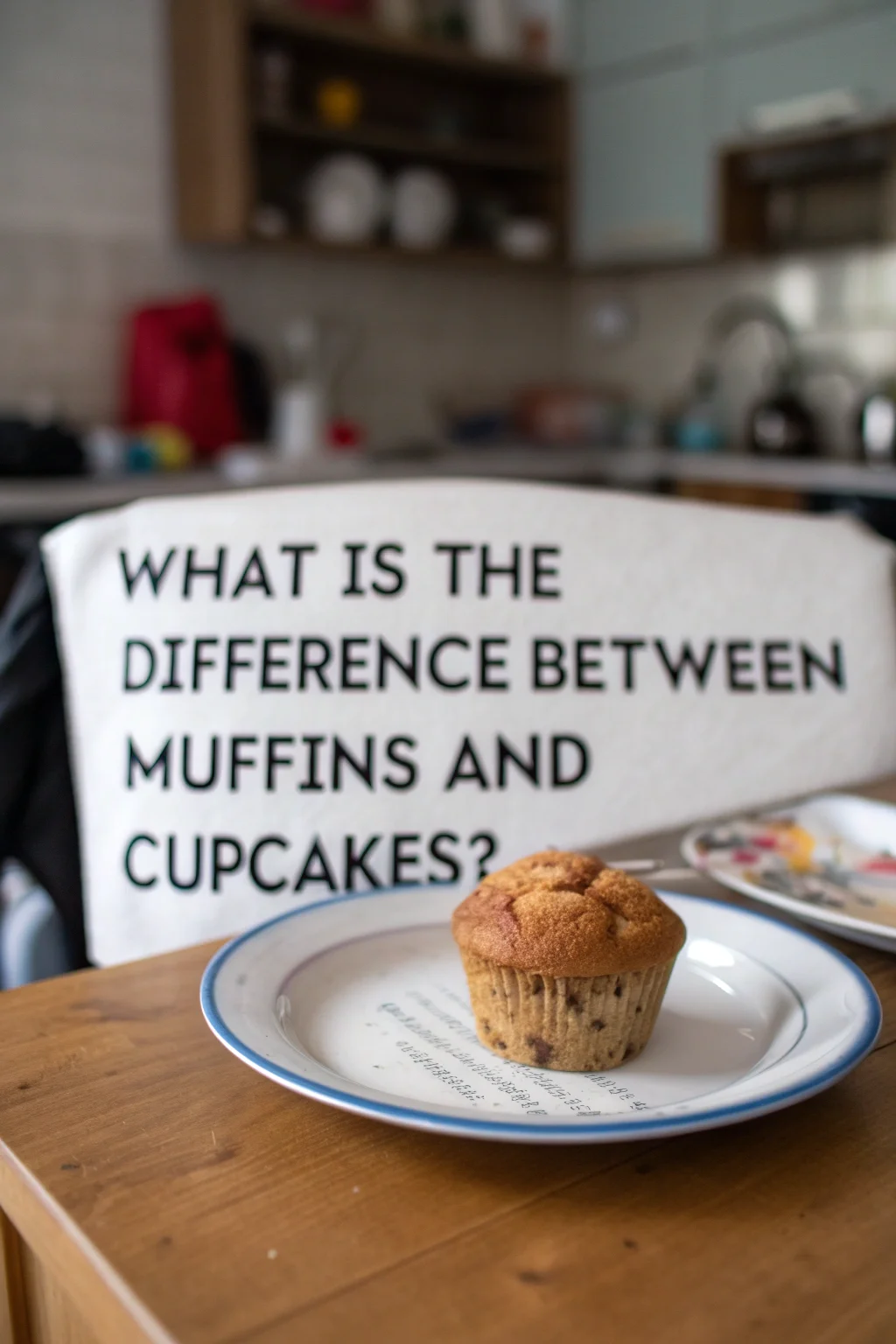
While muffins can technically be frosted, they traditionally are not. Muffins are usually topped with a crumb or streusel topping, or nothing at all, to keep them less sweet than cupcakes. A streusel topping, made from flour, butter, and sugar, can add a delightful crunch and enhance the flavor without overwhelming the muffin’s natural taste. Cupcakes, however, are famous for their decorative frosting, which can range from simple buttercream to elaborate designs. Frosting is an integral part of the cupcake experience, offering both aesthetic appeal and additional flavor. Whether it’s a classic vanilla buttercream or a sophisticated cream cheese frosting, the topping can transform a simple cupcake into an eye-catching treat.
How Does the Texture Differ?
The texture is one of the most noticeable differences between muffins and cupcakes:
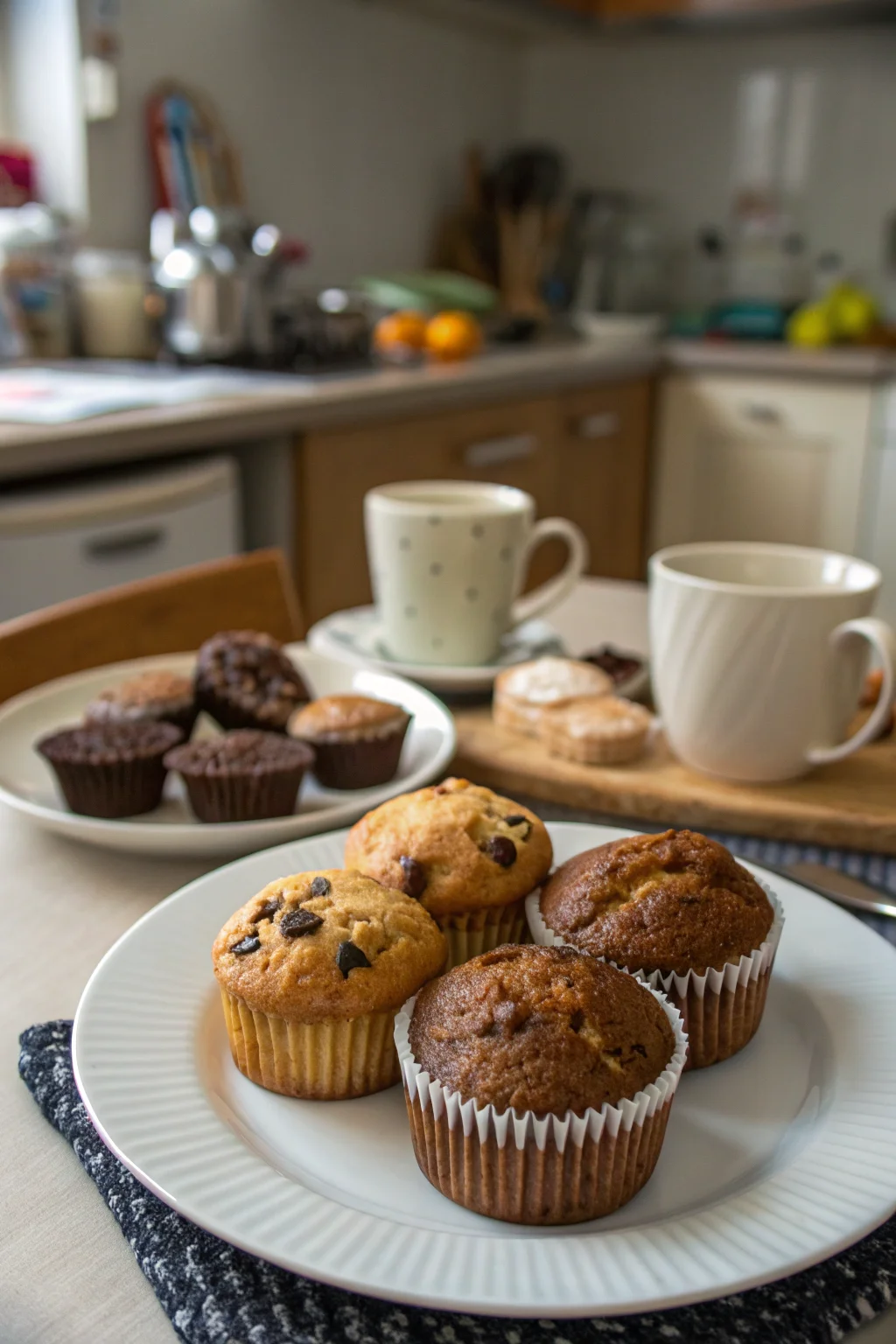
- Muffins have a denser, more bread-like texture due to less sugar and fat. This makes them hearty and filling, often with a slightly coarse crumb that pairs well with coffee or tea. The inclusion of ingredients like whole grains or oats can further enhance this texture, providing a satisfying chewiness that is both comforting and nutritious.
- Cupcakes are light and fluffy, resembling cake, due to the higher sugar and fat content, which helps to build a tender crumb. The creaming method, as mentioned earlier, contributes to this airy texture by incorporating air into the batter. This results in a delicate crumb that melts in your mouth. The contrast between the cupcake’s light texture and rich frosting creates a balanced bite that is both indulgent and delightful.
Are There Variations Within Each Category?
Absolutely! Muffins and cupcakes can be incredibly versatile, offering a wide range of flavors and variations to suit different tastes and dietary needs:
- Muffins can include a variety of ingredients like fruits, nuts, or chocolate chips. They can be sweet or savory, making them suitable for any meal of the day. Popular savory options might include ingredients like cheddar cheese, bacon, or herbs, creating a muffin that’s perfect for a quick breakfast or brunch. Sweet muffins might feature seasonal fruits like blueberries in summer or pumpkin in the fall, providing a delicious way to enjoy fresh produce.
- Cupcakes come in numerous flavors such as chocolate, vanilla, red velvet, and can have fillings like jam or cream. The flavor possibilities are endless, from classic combinations like chocolate and peanut butter to more exotic pairings like matcha and white chocolate. The addition of fillings, such as lemon curd or raspberry jam, can add an unexpected burst of flavor, while toppings like sprinkles or edible glitter can enhance the visual appeal.
What Are Common Misconceptions?
Many people think muffins are just unfrosted cupcakes. However, as we’ve seen, their recipes and textures are quite different. Muffins lean more towards quick bread, while cupcakes are miniature versions of cakes. Another misconception is that muffins are always healthier than cupcakes; while they often contain healthier ingredients, portion size and toppings can make a difference. For example, a jumbo muffin with a sugary streusel topping may have more calories and sugar than a small cupcake. It’s important to consider the ingredients and portion size when evaluating their nutritional content.
Can You Turn a Muffin Recipe Into a Cupcake?
It’s possible, but adjustments are needed. To transform a muffin recipe into a cupcake, increase the sugar and fat content to create a lighter batter. You may also need to adjust baking time and temperature for the best results. Start by adding an extra 1/4 to 1/2 cup of sugar and an additional 1/4 cup of butter or oil to the batter. You might also want to incorporate an extra egg to help bind the ingredients and create a more tender crumb. Bake the modified batter in cupcake liners and monitor closely, as cupcakes typically require less baking time than muffins.
Do Muffins and Cupcakes Have Different Origins?
Yes, muffins and cupcakes have distinct historical origins. Muffins, especially the English variety, date back to 10th-century Wales and have evolved over time. Originally, they were made with yeast and cooked on a griddle rather than baked in an oven. Over the centuries, muffins have undergone transformations to include baking powder, leading to the rise of the quick-bread style muffins we know today. Cupcakes, originating in the United States in the 19th century, were initially baked in individual cups or small molds. The name “cupcakes” is believed to come from the practice of baking cakes in teacups or the use of cup measurements for ingredients, a novel convenience at the time.
Which Is Healthier: Muffins or Cupcakes?
Muffins can be healthier, especially if they contain whole grains, fruits, and nuts. However, portion size and added sugars or toppings like streusel can impact their healthiness. For those looking to make healthier muffins, consider using alternatives like honey or maple syrup instead of refined sugar, or adding grated vegetables like zucchini or carrots for added nutrition. Cupcakes are generally considered a treat due to their high sugar and fat content, but moderation is key. Opting for smaller portions or using lighter frostings, such as whipped cream, can help reduce the caloric impact.
What Are Some Popular Muffin and Cupcake Flavors?
Popular muffin flavors include blueberry, banana nut, and bran. These classics are beloved for their simplicity and the way they highlight the natural flavors of their ingredients. For a twist, try adding spices like cinnamon or nutmeg to enhance the flavor profile. For cupcakes, favorites include chocolate, vanilla, and red velvet. Each can be customized with different ingredients and toppings to suit various tastes. For example, a classic vanilla cupcake can be elevated with a hint of almond extract or a chocolate cupcake can be topped with a salted caramel frosting for a decadent treat.
Can Muffins Be Eaten as a Dessert?
While typically seen as a breakfast item or snack, muffins can certainly be enjoyed as a dessert, especially sweeter varieties like chocolate or coffee cake muffins. Serving them with a scoop of ice cream can also elevate them to dessert status. A warm apple cinnamon muffin paired with a scoop of vanilla ice cream and a drizzle of caramel sauce makes for a cozy and satisfying dessert. Similarly, a rich chocolate muffin with a dollop of whipped cream can be an indulgent treat after dinner.
Conclusion
Understanding the difference between muffins and cupcakes helps you appreciate these baked goods for their unique qualities. Whether you prefer the hearty texture of a muffin or the sweet indulgence of a cupcake, both have their place in culinary enjoyment. Muffins offer a versatile option that can range from healthy breakfast fare to delightful snacks, while cupcakes provide a canvas for creativity and celebration. For more baking tips and recipes, check out our baking guides or explore external resources for inspiration. Whether you’re a novice baker or a seasoned pro, there’s always something new to discover in the world of baking.