Why Does My Cake Crack on Top? | Baking Troubleshooting
Why Does My Cake Crack on Top? | Baking Troubleshooting
Baking a cake is both an art and a science, and nothing is more frustrating than discovering your cake has cracked on top. This common issue can leave bakers puzzled and disappointed. Fortunately, understanding the reasons behind it can help you achieve that perfect, smooth finish. In this article, we’ll answer frequently asked questions about why cakes crack and provide practical solutions for your baking endeavors.
Table of Contents
What Causes a Cake to Crack on Top?
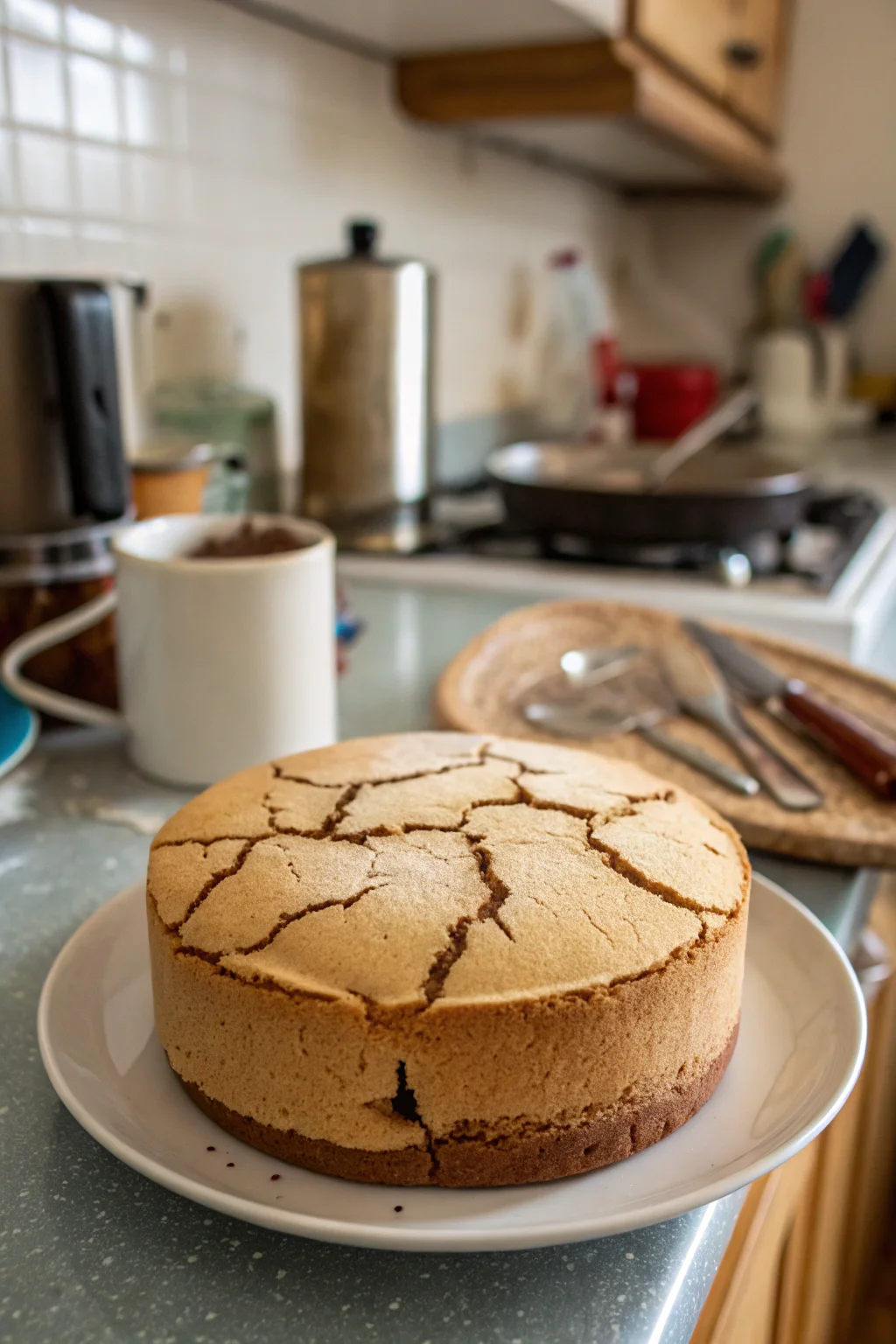
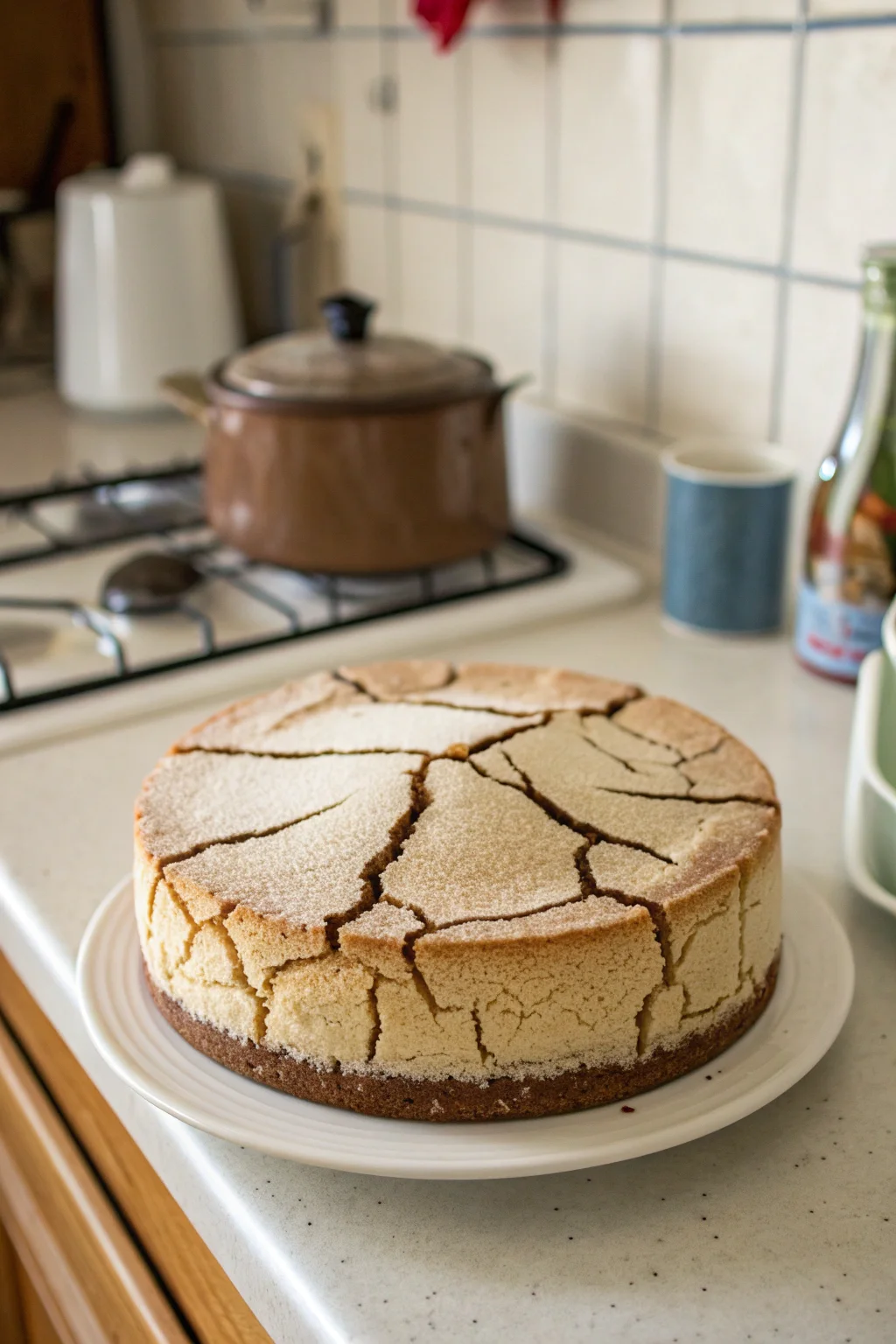
Several factors can cause a cake to crack on top. One primary reason is uneven heat distribution in the oven, which leads to the cake rising too quickly in the center. Additionally, overmixing the batter can incorporate too much air, causing the cake to expand and crack. Lastly, using a pan that’s too small can force the cake to rise excessively, leading to cracks.
When baking, the cake’s structure is still delicate and susceptible to pressure changes. The outer layers of the cake set first due to direct contact with the pan and hot air, while the center continues to cook and expand. If the center expands too much or too rapidly, the structural integrity is compromised, resulting in a cracked surface. To mitigate this, ensure your oven racks are positioned correctly, allowing air to circulate evenly around the cake.
How Can Oven Temperature Affect Cake Cracking?
An oven that’s too hot can cause the cake’s outer edges to set too quickly, while the center continues to rise. This uneven baking results in a cracked top. To avoid this, always preheat your oven and use an oven thermometer to ensure the temperature is correct. If your oven runs hot, reduce the temperature by 25°F (about 15°C).
In addition, it’s important to avoid opening the oven door too frequently during baking. Each time the door opens, the oven loses heat rapidly, which can disrupt the baking process and cause uneven cooking. As the heat fluctuates, the cake may rise and fall unevenly, leading to cracks. Instead, rely on the oven light to check progress. Also, consider rotating the cake halfway through baking to promote even cooking, especially if your oven has hot spots.
Why Does Overmixing Cause Cracks?
Overmixing introduces excess air into the batter, causing it to rise rapidly during baking and potentially crack. To prevent this, mix the batter just until the ingredients are combined. Use a gentle folding technique, especially when incorporating flour, to avoid overmixing.
The chemistry of cake batter is delicate. Gluten development, which occurs when flour is mixed with liquid, needs to be controlled. Overmixing strengthens gluten strands, making the cake tougher and more prone to cracking. A gentle hand ensures that the batter remains tender and airy, reducing the likelihood of structural issues. For best results, use a spatula or wooden spoon rather than an electric mixer when combining dry ingredients with wet.
Can a Small Cake Pan Cause Cracking?
Yes, using a pan that’s too small can lead to cracking. When the batter is too deep, the cake has to rise higher to bake through, which can result in cracking. Always use the pan size recommended in the recipe, or adjust the amount of batter if you must use a different pan.
If you’re improvising with a different pan size, remember that the baking time will change. A deeper batter takes longer to cook through, increasing the risk of overbaking the outer layers while the center is still raw. Consider splitting the batter into two pans or reducing the quantity to ensure even cooking. Additionally, lining your pan with parchment paper can help the cake rise more evenly and prevent sticking, which can exacerbate cracking.
Does Ingredient Temperature Matter?
Yes, ingredient temperature plays a crucial role in baking. Ingredients like eggs and butter should be at room temperature to ensure even mixing and a smooth batter. Cold ingredients can cause the batter to bake unevenly, leading to cracks.
Room temperature ingredients blend more seamlessly, creating an emulsion that traps air more efficiently. This results in a uniform crumb and reduces the chance of the cake rising unevenly. To bring ingredients to room temperature quickly, submerge eggs in warm water for a few minutes and cut butter into small pieces. It’s also helpful to plan ahead, allowing ingredients to sit out for about 30 minutes before starting to mix.
How Does Baking Time Influence Cracking?
Baking your cake for too long can cause it to dry out and crack. Follow the recipe’s recommended baking time and check for doneness by inserting a toothpick into the center. If it comes out clean or with a few crumbs, the cake is done.
Underbaking can also lead to problems, as the cake may collapse after removal from the oven, causing cracks. If you’re unsure about the timing, start checking the cake a few minutes before the recommended baking time. This way, you can adjust accordingly without risking overbaking. Remember, every oven is different, so getting familiar with yours can help fine-tune the baking process.
Is Cake Cracking Related to Leavening Agents?
Excessive leavening agents like baking powder or baking soda can cause a cake to rise too quickly and crack. Ensure you’re measuring these ingredients accurately. Too much leavening will cause the cake to expand rapidly, creating a cracked top.
A general rule is to use about one teaspoon of baking powder per cup of flour. For baking soda, a quarter teaspoon per cup of flour is usually sufficient. Always sift your leavening agents with the dry ingredients to ensure even distribution and consistent rise. If you’re experimenting with a new recipe, consider doing a test bake with a small batch to determine the right balance.
Can Humidity Levels Affect Cake Baking?
Yes, humidity can impact your cake. In high humidity, flour can absorb moisture, altering the batter’s consistency. This can lead to uneven baking and cracking. Consider reducing the liquid in your recipe or adding a little extra flour on humid days.
Humidity affects not only the ingredients but also the baking environment. A humid kitchen can lead to a soggy batter, contributing to cracking. To counteract this, you can also reduce the baking temperature slightly and extend the baking time to allow the cake to cook more evenly. Using a dehumidifier in your kitchen can help maintain the ideal baking conditions, especially during the more humid months.
Should I Use a Water Bath for Baking?
Using a water bath can help maintain even baking temperatures, reducing the risk of cracks. This technique is especially useful for delicate cakes like cheesecakes. Place your cake pan inside a larger pan filled with a bit of water to create a gentle, humid baking environment.
The steam produced by the water bath provides a cushion of moist air, preventing rapid temperature changes. This is particularly useful for dense cakes that require gentle, consistent heat to set properly. Make sure to wrap the cake pan in aluminum foil to avoid water seeping into the batter. For best results, ensure the water level is at least halfway up the side of the cake pan.
How Does Cake Cooling Impact Cracking?
Cooling your cake too quickly can cause it to crack. Sudden temperature changes cause the cake to contract rapidly, leading to cracks. Allow your cake to cool in the pan for about 10-15 minutes before transferring it to a wire rack to cool completely.
When transferring to a wire rack, ensure that the rack is stable and that the cake is supported to prevent cracking during the move. If the cake is large, consider using a cake lifter to provide additional support. Gradual cooling helps the cake set properly and maintain its shape. If you’re in a hurry, avoid placing the cake in a drafty area or the refrigerator as this can exacerbate cracking.
Are There Any Quick Fixes for a Cracked Cake?
If your cake cracks, don’t despair. You can trim the top and use frosting, icing, or glaze to cover any imperfections. This not only hides the cracks but also adds flavor and moisture.
A simple syrup can also be brushed over the cake to add moisture and flavor, helping to mask any textural issues. If the cake is severely cracked, consider transforming it into a trifle or cake pops, where the appearance is less critical. Another creative solution is to layer the cake with filling, effectively turning it into a layered cake where the cracks are hidden between the layers.
Can High Altitude Affect Cake Cracking?
High altitudes can cause cakes to rise too quickly and crack due to lower air pressure. Consider adjusting the recipe by reducing sugar and leavening agents slightly, and increasing liquid content. Many recipes offer high-altitude adjustments for guidance.
At high altitudes, liquids evaporate more quickly, and gases expand more than at sea level. These conditions require adjustments to ensure the cake bakes evenly. If you frequently bake at high altitudes, investing in a high-altitude baking guide can be a valuable resource. Additionally, consider experimenting with your recipes to find the optimal adjustments for your specific location.
What Are the Best Practices to Prevent Cake Cracking?
To prevent cake cracking, ensure even mixing, use the correct pan size, and bake at the right temperature. Here are a few best practices: – Preheat your oven and check its accuracy. – Use room temperature ingredients. – Mix gently to avoid overmixing. – Follow the recommended baking time and pan size.
Taking the time to prepare and organize your baking process can also lead to better results. Read through the entire recipe before starting, gather all ingredients, and measure them accurately. This level of preparation minimizes the chance of errors and ensures a smooth baking experience. Additionally, keeping a baking journal can help you track what works and what doesn’t, allowing you to refine your techniques over time.
For more baking tips and troubleshooting, visit our Baking Basics Guide or check out our Cake Baking Tips article. For additional resources, you might find these Home Baking Tips from King Arthur Baking helpful.
Wrap-Up
Understanding why cakes crack on top and implementing these solutions will help you achieve better baking results. With these troubleshooting tips, you can enjoy more consistent outcomes and impress your friends and family with beautifully baked cakes. Remember, practice makes perfect, and with each bake, you’ll gain more insight into the art of cake making. Happy baking!